Complete directory of Naga war dances, harvest festivals, Hornbill performances & all indigenous Naga tribes. Modern archive with authentic warrior heritage.
Pan-India offices · Authentic costumes · Hornbill specialists
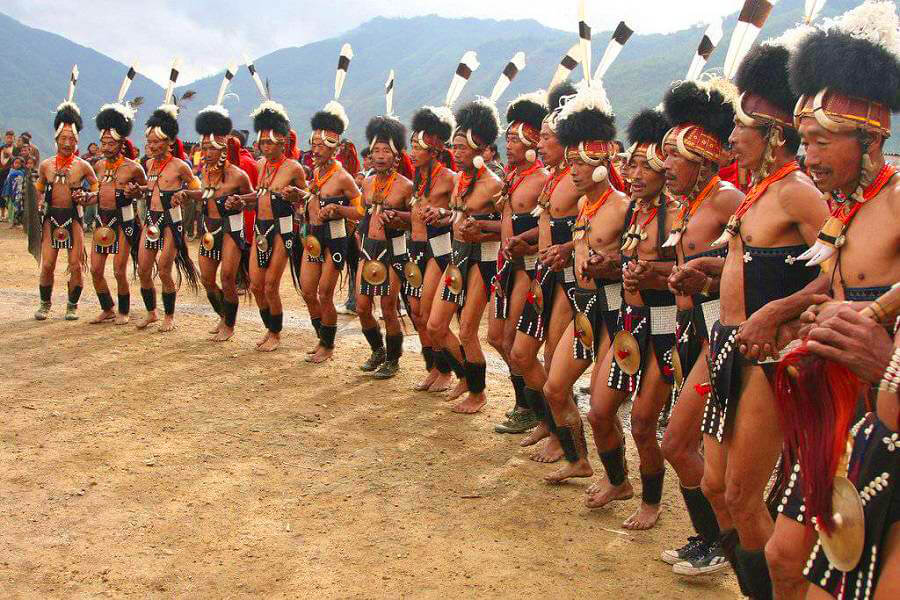
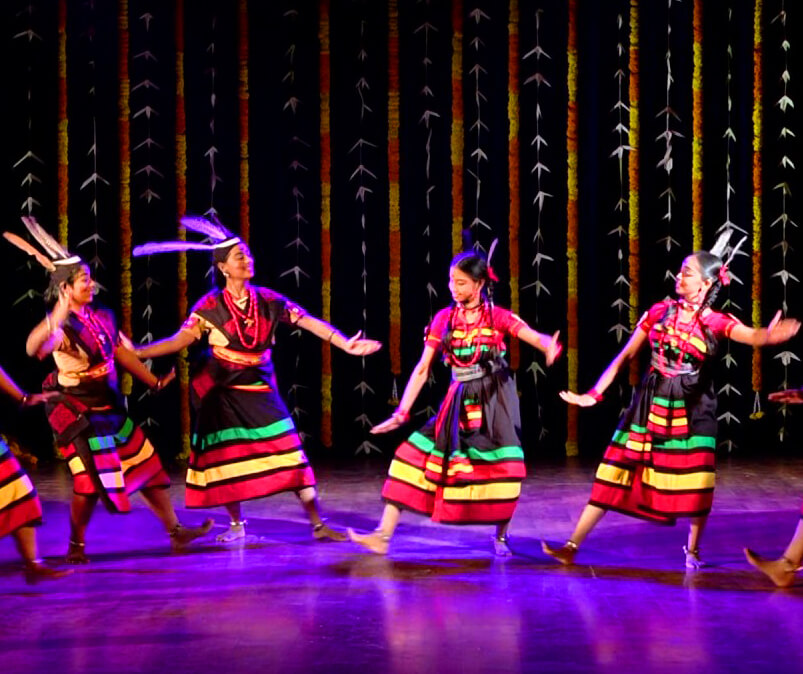
The traditional dances of Nagaland showcase the vibrant tribal heritage, warrior traditions, and cultural richness of the Naga communities. Known for their energetic movements, colorful costumes, and rhythmic music, the folk dances of Nagaland are an important part of festivals, social ceremonies, and community celebrations. These traditional dance performances reflect bravery, unity, spirituality, and the deep connection of tribal people with nature. Nagaland is home to several tribes, including the Ao, Angami, Sumi, Lotha, and Konyak tribes, each with its own unique dance style and cultural identity. One of the most popular cultural celebrations is the Hornbill Festival, where visitors can witness spectacular Naga folk dance performances accompanied by drums, chants, traditional songs, and indigenous musical instruments. Warrior dances are among the most famous dance forms of Nagaland, featuring synchronized steps, traditional weapons, and powerful expressions that symbolize courage and victory. Other dances are performed during harvest festivals, weddings, and religious occasions, creating a lively and colorful atmosphere. Today, Nagaland dance groups are invited to tourism festivals, cultural programs, corporate events, and international folk festivals across India. Their traditional performances offer audiences a unique cultural experience while helping preserve and promote the rich tribal traditions of Nagaland for future generations.
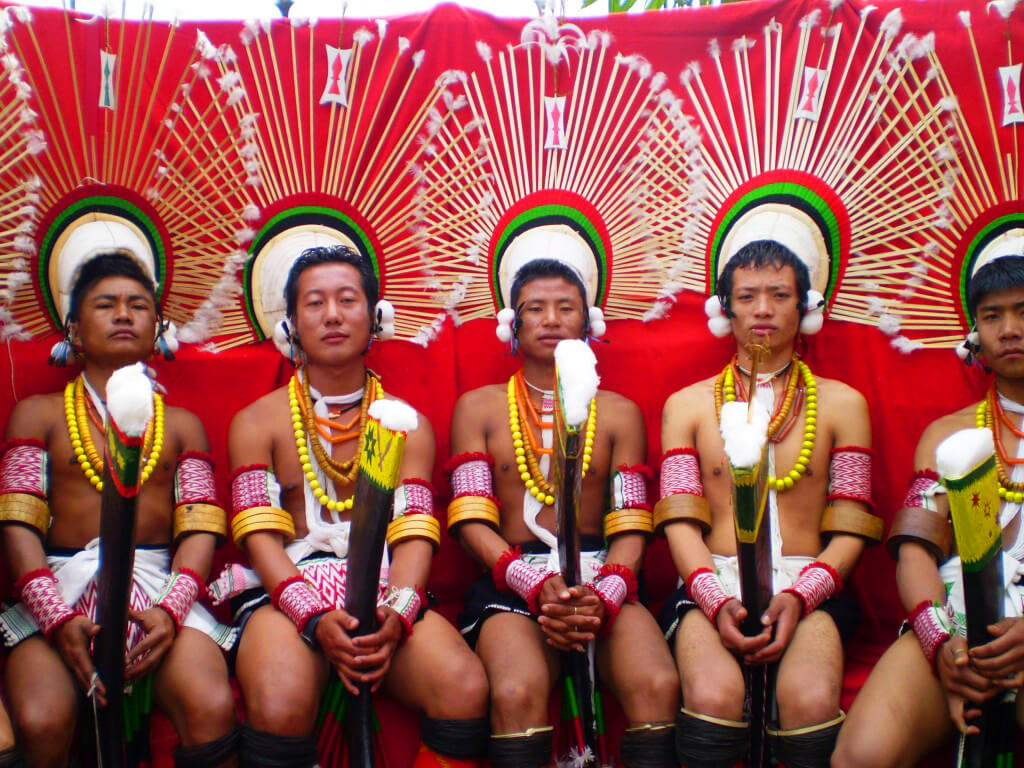
Ao Naga folk dancers are renowned for vibrant harvest dances and powerful performances inspired by the warrior traditions of Nagaland. Dressed in colourful traditional shawls, including the distinctive Tsüngkotepsü, along with elaborate ceremonial headgear and indigenous ornaments, these skilled tribal performers create a striking cultural presentation. Frequently showcased at major celebrations such as the Hornbill Festival, Ao Naga dance groups are ideal for heritage festivals, tourism events, cultural programs, and traditional tribal showcases.
Ao Harvest · Moatsu
Angami tribal dancers showcase the powerful cultural heritage of Nagaland through dynamic folk performances closely associated with the Sekrenyi festival and traditional community celebrations. Known for synchronized spear-and-shield movements, precise warrior-inspired choreography, distinctive white ceremonial attire, and dramatic traditional calls, these Angami Naga performers create a commanding stage presence. Ideal for tribal festivals, heritage events, tourism programs, cultural showcases, and traditional folk presentations, their performances reflect the courage, discipline, and enduring traditions of the Angami community.
SekrenyiSumi Naga folk dancers celebrate the vibrant cultural heritage of Nagaland through energetic performances associated with the Tuluni festival and traditional community gatherings. Known for vigorous steps, synchronized group formations, and powerful rhythms inspired by traditional log-drum traditions, these performers create a dynamic cultural experience. Historical elements such as traditional facial tattoo practices may also feature in heritage interpretation, reflecting aspects of Sumi identity and ancestral customs. Ideal for cultural festivals, tourism events, tribal showcases, and heritage programs.
Tuluni
Tokhu Emong festival – post-harvest rejoicing. Distinct black-and-red stripes.
Tokhu Emong
Fierce war dance, facial tattoos, hornbill feathers, headhunting history. Aoling festival.
Konyak War Dance
Sukrunyi festival – bamboo percussion, women in vibrant woven sarongs.
Sukrunyi
Monyu festival dance, elephantine log drums, intricate beadwork.
Monyu
Originators of Chang Lo (Sua Lua) war dance. Victory commemorations.
Chang Lo
Metumnyi festival – ritual dances with bamboo stalks.
Metumnyi
Mongmong festival, energetic group formations.
Mongmong
Ngada festival – thanks-giving, terraced hill choreography.
Ngada
Zeliang dance, heirloom beads, Hega festival.
Zeliang
Tsokum festival, animal-skull headgear.
Tsokum
Yemshe festival – harvest dance, floral motifs.
Yemshe
Makury festival dance, distinct black shawls.
Makury
Border Naga-Kuki fusion, bamboo stomp.
KukiKohima & Dimapur based, contemporary staging of tribal dances.
Urban fusion
Collaborative ensembles – Ao, Angami, Konyak together.
Hornbill
Authentic rural performers from remote Naga villages.
Authentic
Modern Naga choreography, hip-hop meets log drum.
FusionIconic Naga warrior dance. Spears, shields, daos. Hornbill Festival headliner.
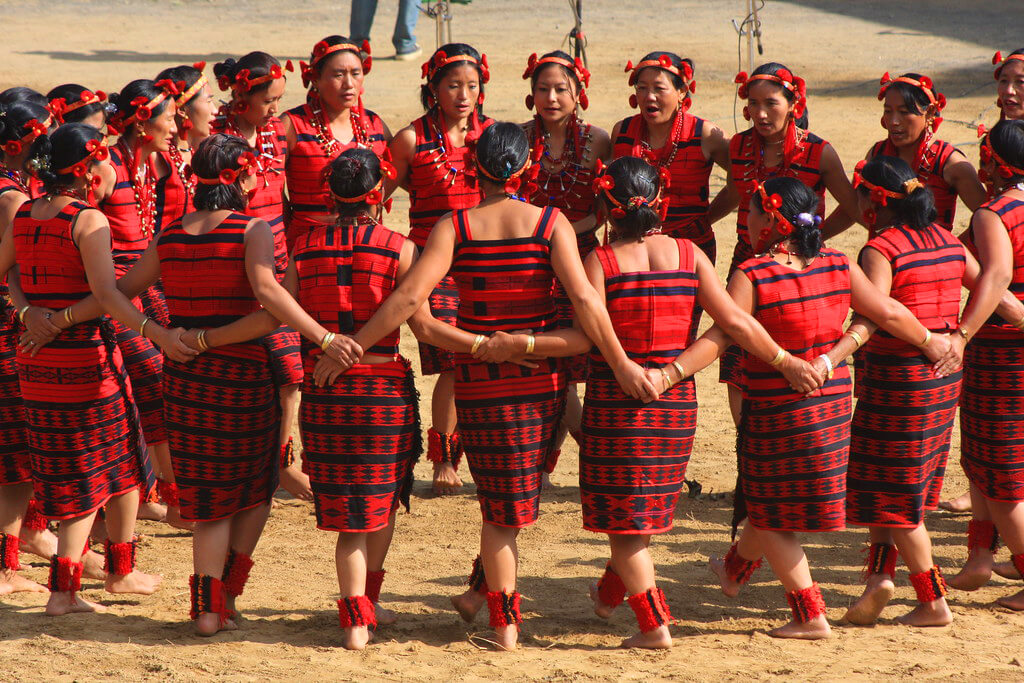
Chang tribe war victory dance. Elaborate bird feathers.
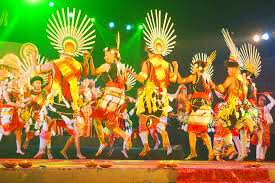
Hega festival, synchronized footwork.

Facial tattoos, hornbill beaks, Aoling.
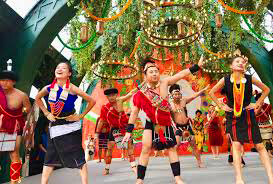
Moatsu festival, thanksgiving for crops.
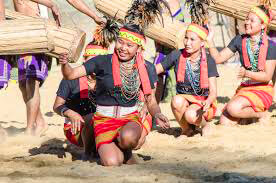
Purification festival, men in white.

Post-harvest, circle dance.

Agri-festival, swift log drum rhythms.
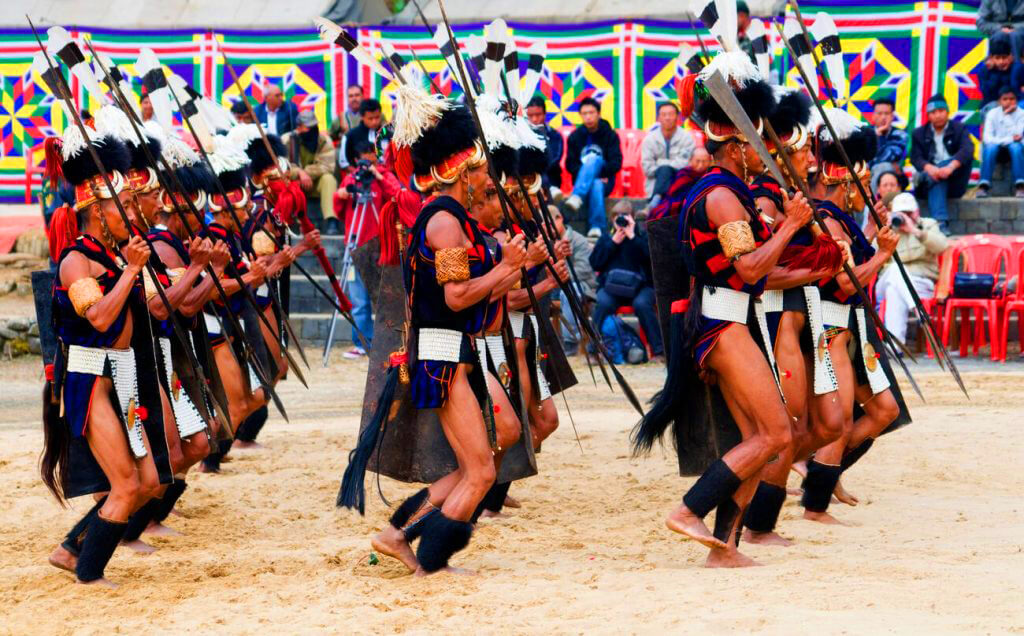
Elephantine log drums, warrior chants.

Thanksgiving, bamboo clappers.

Seed-sowing festival, women’s grace.

Bamboo dance variant, fertility rites.

Harvest closure, rhythmic sway.

Headhunter legacy, ceremonial.

Flower harvest, floral crowns.

Makury tribe, black-and-red motifs.

Community unity, all tribes join.

Massive hollow drums, rhythmic pounding.

Mock battle, warrior prowess.

Thanksgiving, bamboo baskets.

Through morungs, ceremonial.

Grand showcase, all tribes.

Unity beyond clans.

Romance, courtship ritual.
Plot No.2, 1st Floor, Street No.7, A Block, West Sant Nagar, Burari
Landmark: Rani Public School
Delhi – 110084
+91-9355056666
102/7, Silver County Rd, Kudlu, Bengaluru – 560068
+91-9211305366
info@anantagroup.com
Flat No 1, 2nd Floor, Plot No.65, Opp RPS Institute of Technology, Kothuwwan Road, Danapur, Patna – 801503, Bihar
+91-9999044632