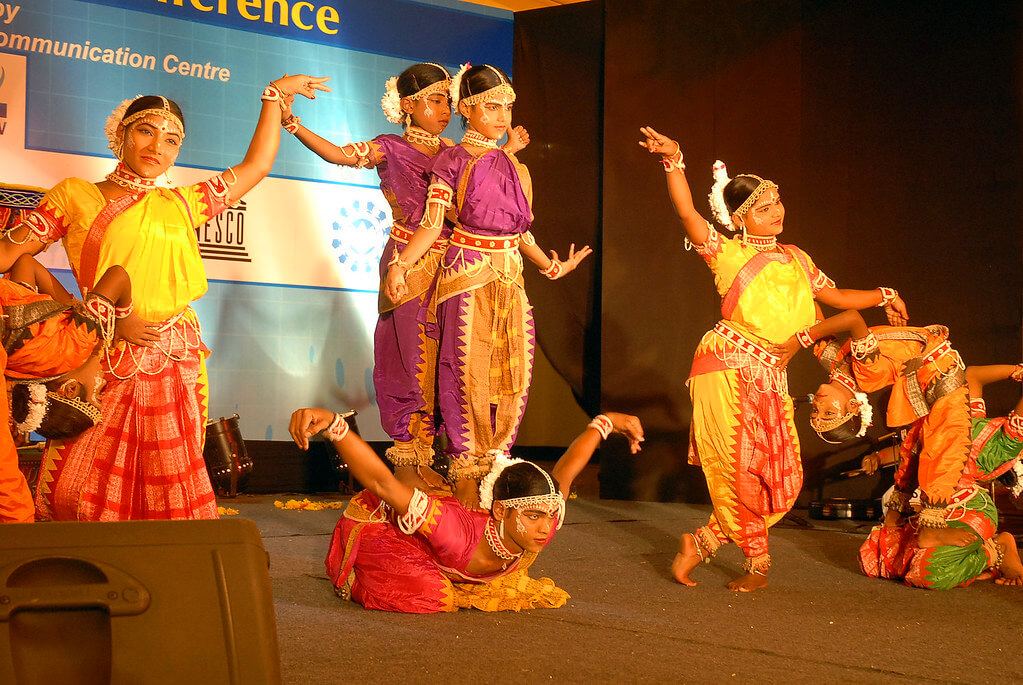
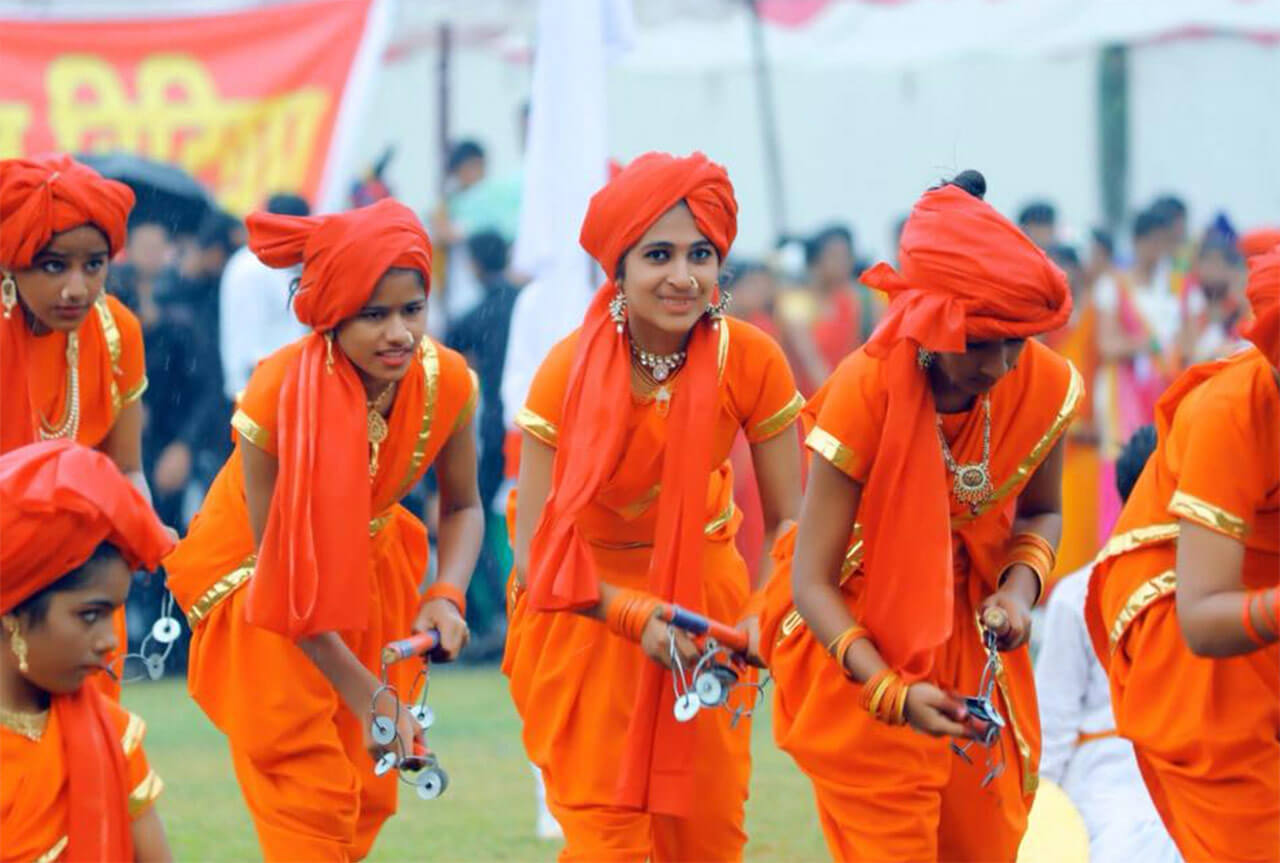
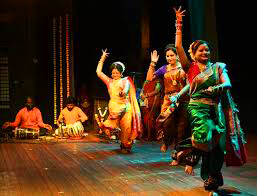
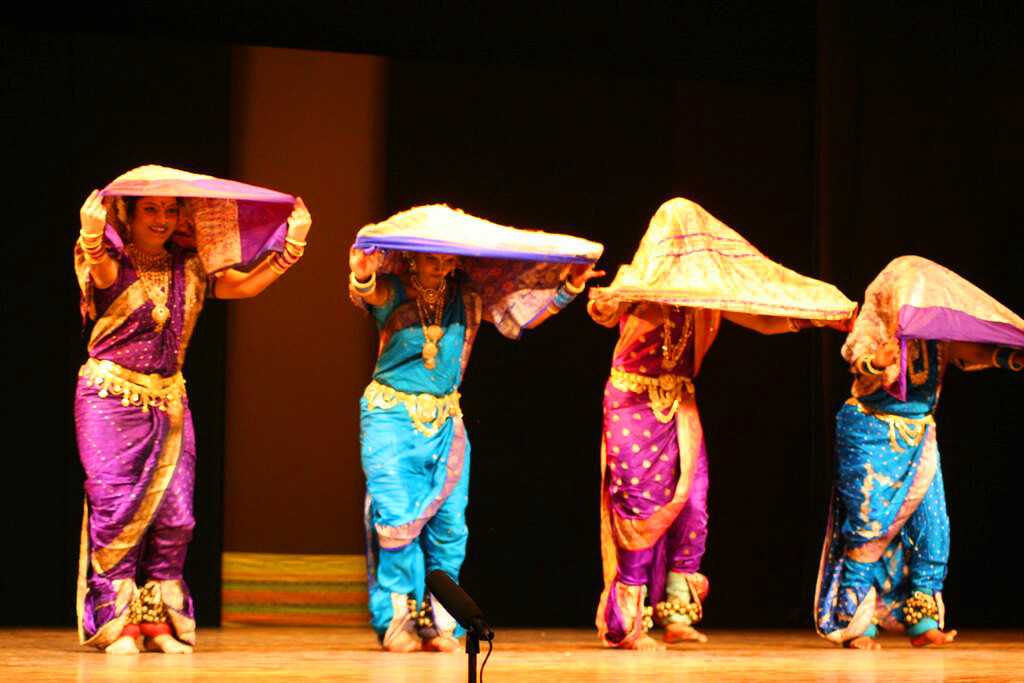
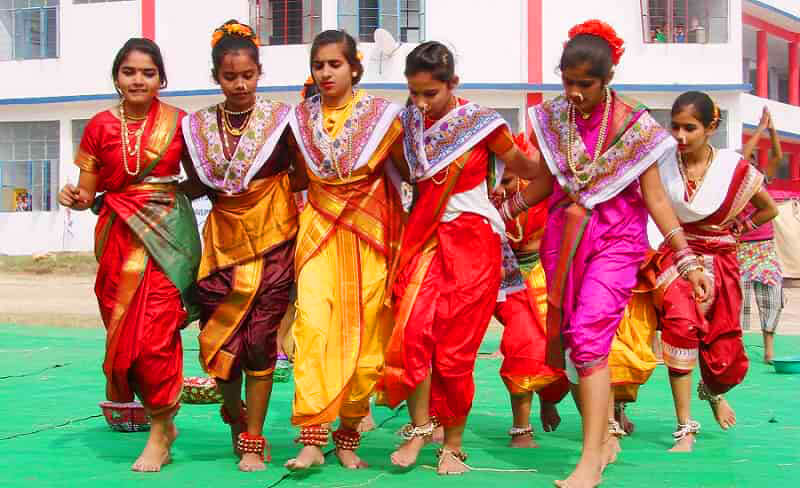
From the rhythmic power of Lavani to the coastal energy of Koli, from Dhangari Gaja's devotion to Lezim's synchronized beats — experience Maharashtra's vibrant folk heritage. Authentic performers for every celebration.
Book Maharashtra DancersThe traditional dances of Maharashtra reflect the vibrant culture, folk traditions, and festive spirit of the state. Known for its rich heritage and diverse communities, Maharashtra offers a variety of folk and traditional dance forms that are deeply connected with religion, celebrations, and local customs. These energetic performances continue to attract culture lovers and tourists from across the country. One of the most famous dance forms of Maharashtra is Lavani, a lively folk dance performed mainly by women. Known for its powerful expressions, rhythmic movements, and traditional Marathi music, Lavani is widely popular in cultural programs and festivals. Another traditional dance is Tamasha, which combines dance, drama, music, and storytelling to entertain audiences with colorful performances. Koli Dance is also an important folk dance of Maharashtra, performed by the fishing community along the coastal regions. Dancers wear traditional costumes and perform energetic steps that represent the daily life of fishermen. Similarly, Lezim Dance is performed during festivals and public celebrations with synchronized movements and traditional instruments. The use of dhol, tasha, lezim, and folk songs adds excitement to Maharashtra dance performances. Traditional attire and cultural themes make these dances visually attractive and meaningful. Today, cultural festivals and tourism events help preserve and promote the dances of Maharashtra on national and international platforms. Exploring Maharashtra’s dance culture offers a wonderful experience of Indian folk traditions, music, and artistic heritage.
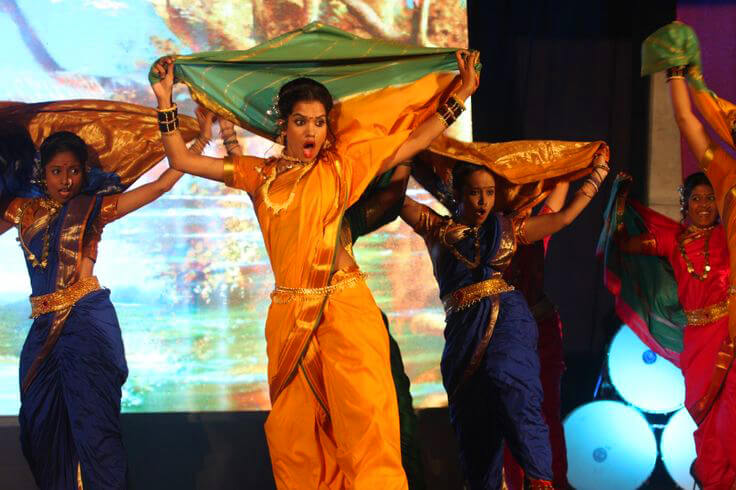
Experience the vibrant charm of Lavani and Tamasha, two of Maharashtra’s most celebrated folk performing arts. Renowned for their energetic rhythms, expressive storytelling, and captivating stage presence, these traditional performances are a highlight of cultural festivals and special events. Lavani dancers mesmerize audiences with graceful movements, powerful expressions, traditional nine-yard sarees, and the rhythmic sound of ghungroos, accompanied by lively folk music. Tamasha, Maharashtra’s iconic folk theatre form, combines dance, music, and dramatic storytelling through engaging performances supported by traditional instruments such as the dholki and manjeera. Featuring talented female dancers and skilled male accompanists, Tamasha showcases the region’s rich artistic and cultural heritage. Popular at weddings, cultural festivals, corporate events, tourism programs, village fairs, and heritage celebrations, Lavani and Tamasha performances bring color, entertainment, and authenticity to every occasion. Their unique blend of music, dance, and folk theatre continues to captivate audiences across India and beyond.
Baiga Karma Dance is a traditional tribal dance performed by the ancient Baiga community, often known as the "Vaidya" tribe for their deep knowledge of herbal medicine and natural healing practices. This cultural folk dance features slow, rhythmic, and trance-like movements performed around sacred Sal trees during festivals and community gatherings. Tattooed Baiga women adorned with traditional silver coin jewelry add authenticity and cultural richness to the performance. The Karma Dance reflects the tribe's spiritual beliefs, close connection with nature, and centuries-old traditions, making it an important part of the tribal heritage and folk culture of Central India.
Dhangari Gaja is a traditional folk dance performed by the Dhangar shepherd community of western Maharashtra. This vigorous and devotional dance is dedicated to Biruba, a revered form of Lord Shiva, and reflects the community's deep spiritual beliefs and cultural heritage. Male dancers perform energetic movements while carrying saffron flags and wearing traditional attire adorned with peacock feathers. The rhythmic beats of the dhol create an uplifting atmosphere that enhances the performance. Dhangari Gaja is commonly performed during Holi, Somvati Amavasya, religious festivals, and community celebrations. This vibrant folk dance showcases the rich traditions, devotion, and cultural identity of the Dhangar community, making it an important part of Maharashtra's folk culture.
The Warli tribe, an indigenous community from Palghar district, Maharashtra, is renowned for its traditional Tarpa Dance, a vibrant folk dance performed during harvest festivals, weddings, and community celebrations. Dancers move in graceful circular formations around the Tarpa, a traditional bamboo trumpet that provides the central rhythm of the performance. Women dressed in elegant white sarees with red borders and men accompanying with drums create a captivating display of music, movement, and cultural expression. Symbolizing unity, prosperity, and harmony with nature, Tarpa Dance beautifully reflects the rich heritage and festive spirit of the Warli community.
The Gond tribe, a prominent tribal community of Vidarbha and Central India, is known for its vibrant ritual dance traditions performed in honor of deities, ancestors, and nature spirits. These captivating performances feature colorful traditional costumes, intricate body painting, rhythmic percussion, and energetic group choreography that reflect the tribe’s rich cultural heritage. Gond dancers often perform during religious ceremonies, harvest celebrations, and the renowned Keslapur Nag Panchami Festival, showcasing their deep spiritual beliefs and community traditions. The lively music, synchronized movements, and cultural significance make Gond tribal dances a popular attraction at heritage events, cultural festivals, and folk art showcases.
The Katkari tribe, a Particularly Vulnerable Tribal Group (PVTG) from Raigad and Ratnagiri districts of Maharashtra, is known for its rich forest-based traditions and vibrant cultural heritage. Their unique folk dances, performed during hunting rituals, harvest celebrations, and community gatherings, reflect a deep connection with nature and ancestral customs. Accompanied by traditional bamboo instruments, rhythmic music, and ceremonial performances, these dances showcase the tribe’s spiritual beliefs, traditional healing practices, and nature worship traditions. The authentic costumes, energetic movements, and cultural significance make Katkari performances a captivating attraction at tribal festivals, heritage events, and folk culture showcases.
Indigenous community from Sahyadri hills. Phugadi and Dindi style ritual dances. Worshipping forest deities through circular formations. Preserve ancient percussion traditions.
Major tribal community in Melghat and surrounding areas. Energetic group dances with bows and arrows. Performed during Bhagoria festival. Women's jewelry and mirror-work costumes.
Traditional hunting community with distinctive dance forms. Martial movements, weapon displays, and animal mimicry. Now preserving heritage through cultural performances.
Custodians of Maharashtra's traditional percussion. Dhol, tasha, and halgi specialists. Essential for Ganesh mandals, wedding processions, and village festivals. Generational expertise.
Traditional performing community specializing in Tamasha. Acrobatic dance, comedic dialogue, and musical skills. Preserve Maharashtra's folk theatre heritage.
Traditional warrior community with martial dance traditions. Sword and shield performances. Powada ballad singers recounting heroic tales of Shivaji Maharaj.
Marathwada and Vidarbha's Banjara community. Women in mirror-work ghagras, heavy ivory bangles. Energetic spins, clapping, and synchronized steps. Wedding and harvest celebrations.
Hill tribe from Sahyadri mountains. Distinctive dance forms honoring Khandoba. Vigorous movements, traditional weapons, and community participation.
Indigenous community from Yavatmal and Chandrapur. Ritual dances for village deities. Unique percussion instruments, group choreography, and seasonal festivals.
Tribal community from Nashik and Dhule regions. Tarpa and Pavri dances. Bamboo instruments, circular formations, and vibrant costumes. Harvest and wedding celebrations.
Coastal Warli variant from Palghar. Similar Tarpa dance traditions with distinct regional variations. Women's white and red costumes. Community bonding through dance.
Afro-Indian community in Harnai and Murud-Janjira. Dhamal and Goma dances with African-Indian fusion. Powerful drumming, acrobatics, and distinct costumes.
Community groups preserving Gondhal, Bharud, and Kala traditions. Perform during village festivals, temple celebrations, and local fairs. Authentic rural Maharashtra.
Mumbai, Pune, Nashik based contemporary troupes. Reimagining Lavani, Lezim, Koli with modern choreography. Popular for corporate events, Bollywood collaborations.
Maharashtra's most iconic dance. Powerful rhythms, nine-yard nauvari saree, ghungroos, and energetic hip movements. Performed to dholki beats. Themes of love, society, and devotion. Peshwa-era origin.
Folk theatre combining dance, music, and drama. Female dancers (Nachya) and male accompaniments (Tashakari). Energetic footwork, witty dialogue, social satire. Dholki and manjeera.
Fisherfolk dance of Mumbai coastline. Mimics rowing boats, casting nets, ocean waves. Red and black costumes, fast-paced rhythms. Performed during Narali Poornima and Ganeshotsav.
Shepherd community's devotional dance for Lord Biruba. Men in black blankets, peacock feathers, saffron flags. Vigorous spinning, leaping, dhol beats. Holi and Somvati Amavasya.
Heroic ballad tradition recounting Shivaji Maharaj's exploits. Energetic storytelling with sword movements. Performed by male troupes. Accompanied by dhol and tasha.
Rhythmic folk dance using lezim (wooden rattle instrument). Disciplined group formations, synchronized movements, vigorous steps. School and community festivals. Ganesh mandals.
Ritual performance for goddess Renuka. Performed by Gondhali community. Night-long storytelling with music, dance, and dramatic elements. Wedding and housewarming ceremonies.
Devotional performance tradition by Warkari sect. Philosophical poetry set to dance and music. Social commentary through simple movements. Pilgrimage festivals.
Ritual dance honoring Lord Khandoba. Performed at Jejuri temple and community festivals. Devotees in turmeric-colored attire. Trance elements and fire walking.
Warkari devotional processions. Groups carrying dindi (small cymbals), singing abhangas, dancing to kirtan. Pandharpur pilgrimage. Spiritual ecstasy and community bonding.
Warli tribal dance. Circular formation led by tarpa (bamboo trumpet) player. Women in white, men with drums. Harvest festival and marriage celebrations.
Kokna tribal dance. Men and women in colorful attire. Energetic jumps, synchronized clapping, and flute accompaniment. Agricultural festivals.
Martial dance with shields and swords. Ramoshi community tradition. Warrior movements, combat formations, and victory celebrations. Folk festivals.
Masked ritual dance of Thakar and Warli communities. Elaborate wooden masks depicting deities and demons. Night-long performances. Holi and festival occasions.
Ritual performance honoring village goddesses. Possession trance, fire acrobatics, and devotional choreography. Performed during Navratri and Gram-devta festivals.
Bamboo stick dance from Khandesh region. Rhythmic striking, intricate footwork, group formations. Performed by tribal communities during Holi.
Women's circular dance from Vidarbha. Clapping rhythms, rotating formations, devotional songs. Performed during Gudi Padwa and Diwali.
Women's folk dance from western Maharashtra. Graceful hand movements, synchronized swaying, traditional songs. Social gatherings and festivals.
Devotional group dance accompanying religious singing. Simple, meditative movements. Warkari and Varkari traditions. Temple and pilgrimage contexts.
Krishna Janmashtami performance. Young men form human pyramids to break curd pots. Energetic, competitive, celebratory. Inspired by Govinda.
Ritual dance offering to deities. Performed before temple processions. Graceful bows, circular movements, traditional instruments.
Contemporary blend of Lavani's grace and Koli's energy. Popular in Bollywood and stage shows. Vibrant costumes, crossover choreography.
Circle dance of Warli community. Men and women interlock arms, move rhythmically. Celebrating harvest, marriage, seasons. Simple, joyful, community-based.
Forest community dance mimicking animals and hunting. Bamboo instruments, ritual movements, and traditional costumes.
Pastoral community dance celebrating sheep, monsoon, and Biruba. Energetic leaping, flag waving, dhol beats. Holi festival highlight.
Annual Narali Poornima celebration. Koli community thanks the sea. Group dances, songs, feast, and boat worship. Colorful, joyful, coastal identity.
Genuine artists from Maharashtra's hereditary performing communities. Trained in traditional repertoire — from Peshwa-era Lavani to contemporary folk.
Authentic nauvari costumes, Kolhapuri jewelry, and live percussion — dholki, tasha, dhol, lezim. Complete folk orchestra experience.
Perfect for cultural festivals, destination weddings in Maharashtra, Ganesh mandals, tourism promotions, and brand events with Marathi theme.
Experienced touring performers. Full logistical support — travel, accommodation, and cultural coordination for events across India and globally.
Lavani is Maharashtra's most iconic and internationally recognized dance form. Koli dance represents coastal identity, while Dhangari Gaja is central to shepherd community culture. Tamasha is the state's traditional folk theatre. Each region — Western Maharashtra, Konkan, Vidarbha, Marathwada — has its signature dance.
Lavani is a genre of music and dance performed by women in nine-yard nauvari sarees. Known for powerful footwork, sensuous movements, and rhythmic dholki beats. Originated in Peshwa era (18th century). Combines social commentary, satire, devotion, and romance. Two main styles: Nirguni (philosophical) and Shringari (romantic).
Absolutely! Our Maharashtra artists specialize in corporate Ganesh festival celebrations, product launches with Marathi cultural themes, annual day performances, and tourism roadshows. We offer customized 15-45 minute curated performances with professional sound, lighting, and commentary explaining the cultural significance.
Yes, regularly! Our dancers have performed in Delhi, Bangalore, Kolkata, Chennai, Hyderabad, Jaipur, and internationally in Dubai, Singapore, USA, UK, and Australia. We handle complete travel, accommodation, and local coordination. Maharashtra's folk artists are known for their professionalism and adaptability.
Plot No.2 1st Floor, street No.7 A Block West Sant Nagar Burari
Landmark- Rani Public School Delhi- 110084
Phone: +91-9355056666
102/7, Silver County Rd, Kudlu, Bengaluru, Karnataka 560068
Phone: +919211305366
Email: info@anantagroup.com
Flat No 1, 2 Nd Floor
Plot Number - 65, Opposite RPS Institute of Technology
Kothuwwan Road , Danapur, Patna, 801503- Bihar
Phone: +91-9999044632