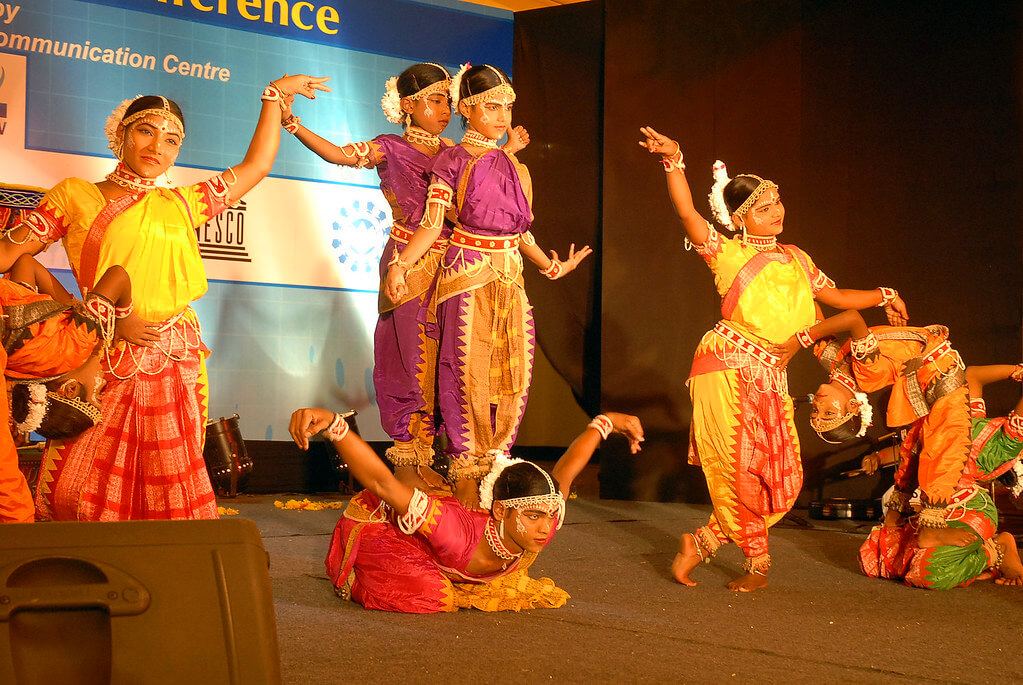
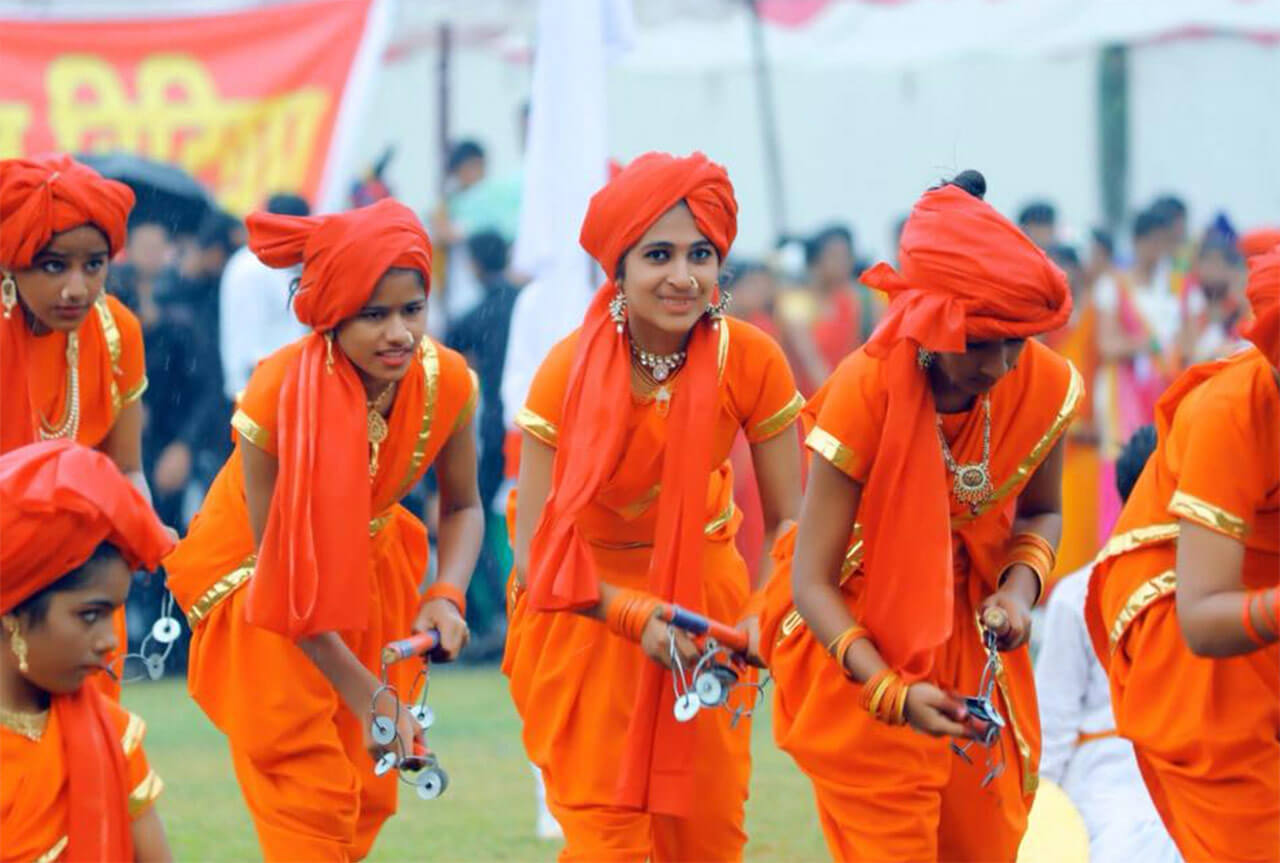
From the divine storytelling of Kathakali to the fierce ritual power of Theyyam — witness Kerala's legendary dance heritage. Classical grace, martial energy, temple traditions, and tribal rhythms. Authentic performers for unforgettable experiences.
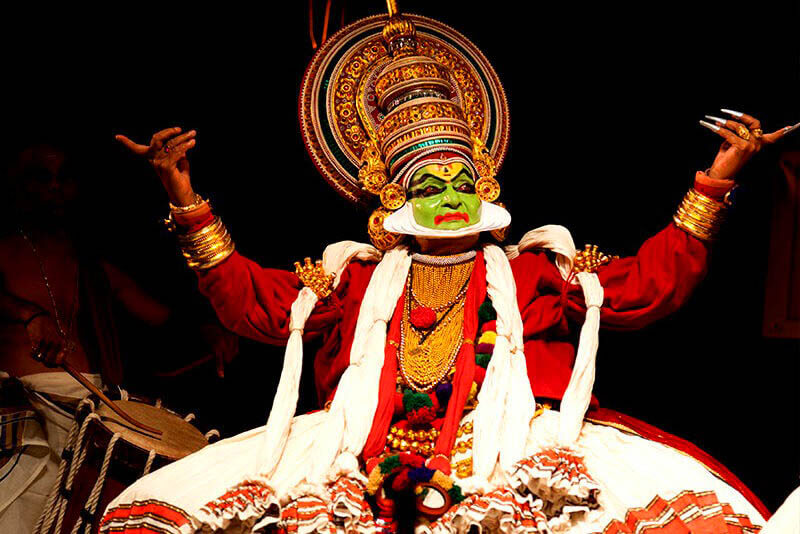
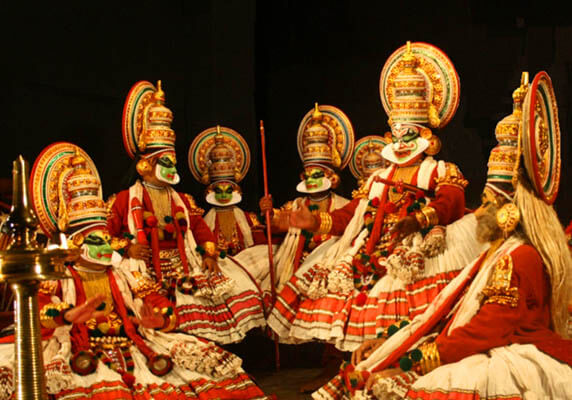
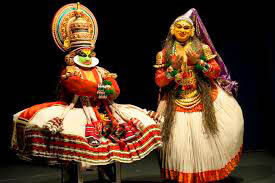
Book Kerala DancersDances of Kerala are a magnificent blend of spirituality, storytelling, and artistic discipline, deeply rooted in the state’s temple traditions and cultural heritage. Known for elaborate costumes and expressive performances, Kerala’s dance forms beautifully narrate epics, folklore, and devotional themes. The most iconic classical form is Kathakali, famous for its dramatic facial expressions, vibrant makeup, and detailed hand gestures that depict stories from the Ramayana and Mahabharata. Another graceful classical style is Mohiniyattam, performed by women, characterized by gentle movements and feminine elegance. Folk traditions like Theyyam and Thiruvathira add ritualistic and festive charm to Kerala’s dance culture, often performed during temple festivals and social gatherings. Together, these dance forms showcase Kerala’s artistic depth and devotion, preserving centuries-old traditions while captivating modern audiences across India and the world.
Kathakali, Mohiniyattam & Bharatanatyam exponents trained in Kerala's legendary institutions — Kerala Kalamandalam, RLV College. Masters of abhinaya, mudras, and nritya. Perform at temple festivals, cultural sabhas, and international stages.
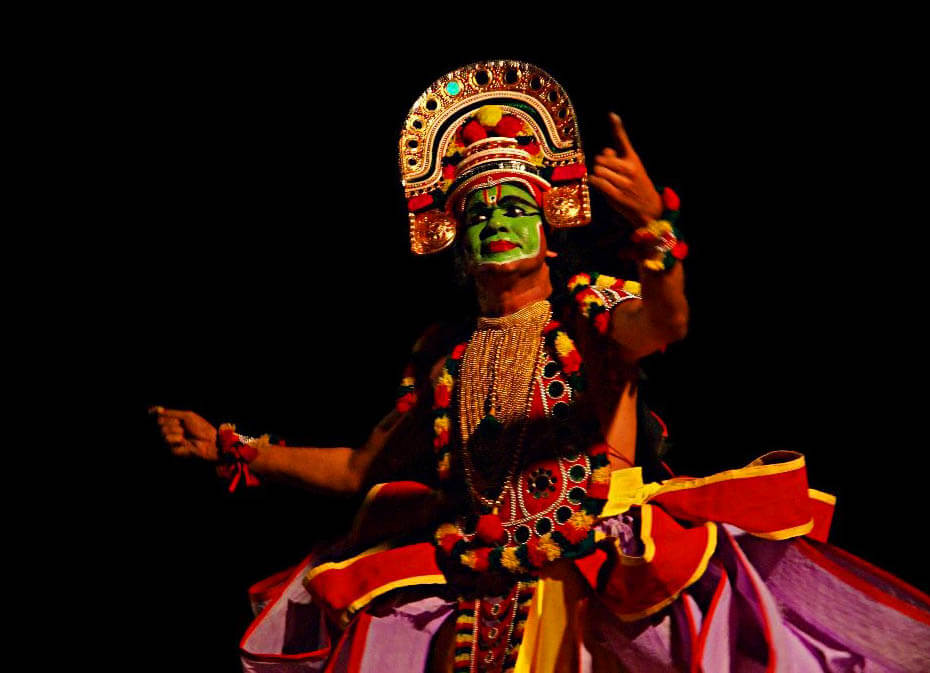
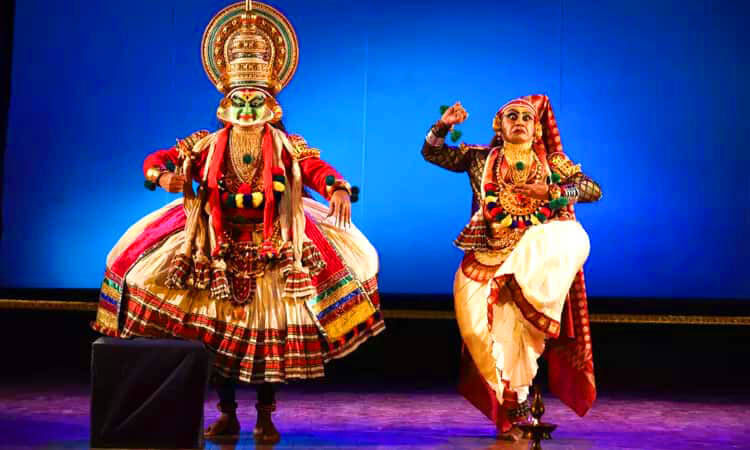
Complete Kathakali ensembles with lead actors (vesham), percussionists (chenda, maddalam), and vocalists. Present full-night repertory from Ramayana and Mahabharata. Elaborate makeup (aharya abhinaya), costumes, and towering headgear.
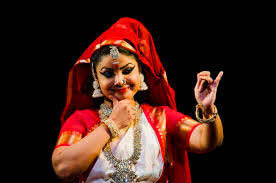
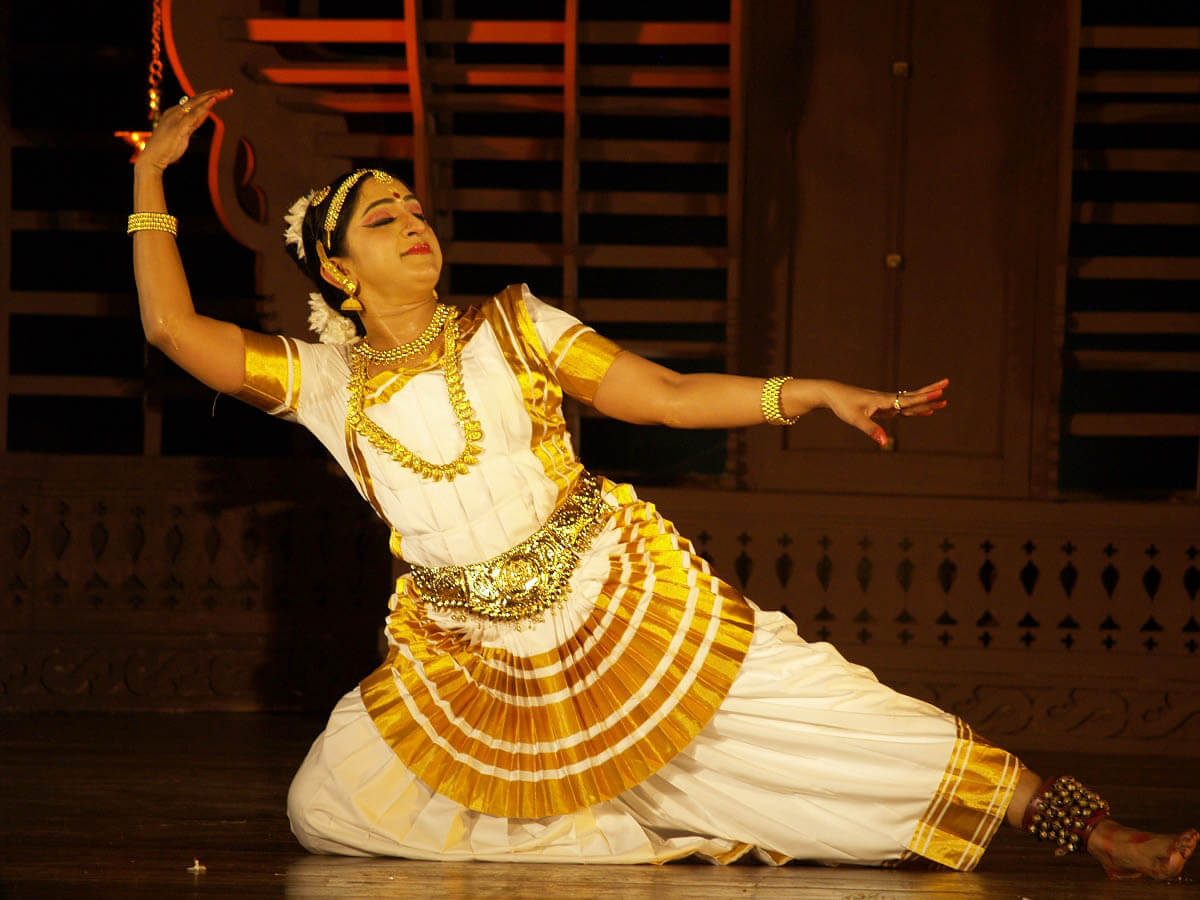
"Dance of the enchantress" — Kerala's classical solo dance. Fluid, graceful movements, subtle expressions (lasya), white-gold costume, and jasmine flowers. Accompanied by edakka, veena, and mridangam. Themes of love and devotion.
World's oldest martial art, influencing Kathakali and Theyyam. Performers demonstrate animal poses, weaponry (sword, shield, spear), acrobatic leaps, and combat choreography. Central to Kerala's performance identity.
Ancient solo narrative performance from Koothambalam temples. Performer (Chakyar) presents Puranic stories with wit, humor, and social commentary. Elaborate gestures and vocal delivery. Accompanied by mizhavu drum.
Female counterpart to Chakyar Koothu — women's solo Sanskrit theatre. Performed by Nangyaramma community. Expressive abhinaya depicting Krishna and devi stories. Oldest women's theatre tradition in India.
North Kerala's spectacular ritual art where performer transforms into deity. Towering headgear (mudi), elaborate face painting, fire torches, and trance performance. Over 400 forms — each with distinct costume and story.
Theyyam's companion ritual — elaborate processional performances with stylized makeup, dance, and oracles. Considered auspicious for village prosperity. Preserved by specific communities in Kannur and Kasaragod.
UNESCO Masterpiece of Intangible Heritage — 2000-year-old Sanskrit theatre. Performed in Koothambalams by Chakyars and Nangyaramma. Elaborate eye expressions (netrabhinaya), slow-motion acting, and mizhavu percussion.
Comic solo performance created by Kunchan Nambiar. Green makeup, colorful costume, and rapid-fire recitation. Social satire and humor. Accompanied by maddalam and cymbals. Popular in temple festivals.
Agricultural community's vibrant harvest dances. Vigorous movements, drumming, and community participation. Performed during Onam and other festivals. Traditional costumes with red and white.
Traditional drummers and ritual performers. Parai and thudi rhythms essential for temple festivals and Theyyam. Generational custodians of Kerala's percussion traditions.
Indigenous community from Idukki hills. Ritual dances honoring forest spirits and ancestors. Unique drumming styles, body painting, and synchronized group formations.
Largest tribal community in Kerala. Paniya dancers perform during agricultural festivals and community gatherings. Energetic movements, traditional drums, and songs preserving oral history.
Ancient forest community with unique ritual dances for deity worship. Powerful drumming, face painting, and trance elements. Traditional healers and shamans perform curative dances.
Hill tribe preserving ancient dance-dramas. Perform Ramayana and Mahabharata episodes with tribal interpretation. Distinctive bamboo percussion.
Snake-catcher community with unique serpent worship dances. Mimic cobra movements, accompanied by snake-shaped drums. Powerful ritual performances.
Forest community from Kollam and Pathanamthitta. Harvest dances and ritual performances honoring mountain deities. Graceful movements, bamboo instruments.
Traditional Theyyam artists preserving over 40 ritual forms. Custodians of Vettakkorumakan, Vishnumoorthy, and Gulikan theyyams. Generational expertise in makeup, costume, and ritual.
Community-based groups performing Kaikottikali, Thiruvathira, Kolkali, and Oppana. Preserve regional folk traditions through village festivals and competitions.
Kerala's legendary dance-drama. Intricate green makeup (pacha), towering headgear, 24 mudras, and powerful chenda. Ramayana and Mahabharata stories through all-night performances. UNESCO recognition.
"Dance of the enchantress". Lyrical, graceful movements, white-gold costume, jasmine flowers. Themes of love and devotion. Accompanied by edakka, veena, mridangam.
World's oldest surviving Sanskrit theatre (2000+ years). UNESCO Masterpiece. Elaborate eye expressions (netrabhinaya), mizhavu drum. Performed in temple Koothambalams.
Comic solo dance-drama with social satire. Green makeup, colorful costume, rapid recitation. Created by Kunchan Nambiar. Accompanied by maddalam and cymbals.
Ancient solo narrative from Koothambalam. Puranic stories with humor and social commentary. Mizhavu accompaniment. Unique gesture language.
Women's solo Sanskrit theatre. Performed by Nangyaramma community. Krishna and Devi stories through exquisite abhinaya. Oldest women's theatre tradition.
North Kerala's spectacular ritual art. Performer becomes deity — towering headgear, elaborate face paint, fire torches, trance. Over 400 forms. Ancestral worship and divine blessing.
Processional ritual art companion to Theyyam. Stylized makeup, oracles, and dance. Performed for village prosperity. Preserved in Kannur and Kasaragod.
Annual Theyyam festival cycle. Village deities honored through elaborate ritual performances. Community gathering for divine darshan and blessings.
Colorful mask dance performed during Onam. Wooden masks depicting animals, saints, and demons. Dancers visit houses collecting gifts. Central Kerala tradition.
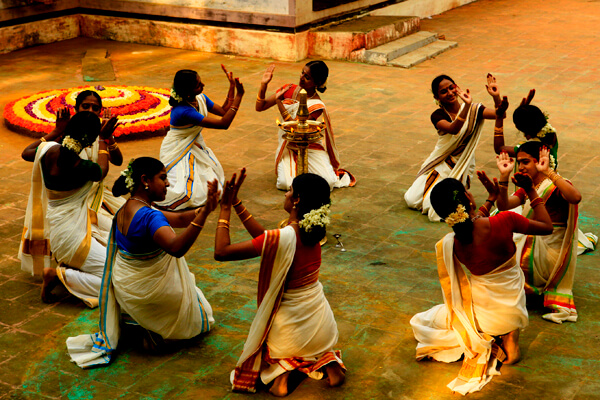
Women's circular dance for Thiruvathira festival (Shiva's birthday). Graceful steps, clapping, singing. Celebrates marital fidelity and Parvati's penance.
Tiger dance of Thrissur. Performers painted as tigers and hunters, dancing to drum beats. Onam celebration. Fierce movements, energetic choreography.
Stick dance popular in North Kerala. Circular movements, rhythmic stick strikes, synchronized footwork. Performed during festivals and social gatherings.
Martial sword-shield dance of Christian communities. Kalaripayattu influences. Vigorous combat choreography. Performed during church festivals.
Martial dance performed in temple processions. Soldiers with swords and shields, colorful headgear. Originated in Ambalapuzha. Drum-heavy accompaniment.
Men's ritual dance from North Malabar. Performed during Pooram festival in Bhagavati temples. Acrobatic movements, group formations, percussion.
Mappila wedding dance performed by women. Clapping rhythms, graceful movements, songs praising bride. Bridal makeup and gold jewelry. Joyful celebration.
Mappila folk dance using duff (frame drum). Men in circles, rhythmic drumming and singing. Celebrates Islamic festivals and heroic stories.
Syrian Christian community dance. Circular formations, singing, clapping. Depicts life of St. Thomas. White and gold costumes.
Women's clapping dance for Onam. Circular formations, synchronized hand movements, traditional songs. Graceful and community-oriented.
Folk dance from Kozhikode region. Energetic movements, vibrant costumes, community participation. Performed during local festivals.
Ritual art from central Kerala. Elaborate kolams (figures) made from areca fronds. Depicts goddess Bhadrakali. Percussion-heavy. Temple festival tradition.
UNESCO-recognized ritual theatre. Performs legend of Goddess Kali's victory over Darika. Intense dance, elaborate makeup, community participation.
Devotional performance honoring Lord Ayyappa. Performed during Sabarimala season. Vigorous movements, carrying irumudi (sacred bundle).
Onam flower arrangement dance. Women create floral carpets (pookalam) and dance around them. Celebrates King Mahabali's homecoming.
Folk dance-drama with wit and social commentary. Nomadic performer tradition. Humorous stories, simple costumes, village entertainment.
Temple festival procession with 100+ chenda drummers. Synchronized drumming, dance movements, and ritual rhythm. Thrissur Pooram's iconic spectacle.
Genuine practitioners from Kerala's legendary institutions and hereditary communities — Kalamandalam graduates, Theyyam families, and Kalari gurukkals.
Elaborate Kathakali makeup (aharya), Theyyam headgear, gold jewelry, and authentic chenda-maddalam-edakka orchestra.
Perfect for Onam celebrations, hotel cultural nights, destination weddings, international roadshows, and school workshops.
Experienced touring performers. Full logistical support — travel, accommodation, and cultural coordination.
Kathakali is Kerala's most internationally recognized classical dance-drama. However, Theyyam is equally significant as a living ritual tradition, and Mohiniyattam represents Kerala's graceful classical solo form. Thiruvathira and Pulikali are iconic folk dances during Onam.
Kathakali is a masculine, vigorous dance-drama performed by men, depicting epics with elaborate makeup and mudras. Mohiniyattam is a feminine, graceful solo dance with subtle expressions, white-gold costume, and lyrical movements. Both originated in Kerala but are completely distinct in style, costume, and presentation.
Absolutely! Our Kerala dancers specialize in corporate cultural programs, product launches with South Indian themes, hotel cultural nights, and Onam celebrations. We offer curated 20-60 minute performances with English commentary explaining the art forms.
Yes, regularly. Our artists have performed in Delhi, Mumbai, Bangalore, Kolkata, Chennai, Hyderabad, and internationally in UAE, Singapore, USA, and Europe. We manage complete travel and hospitality arrangements.
Plot No.2 1st Floor, street No.7 A Block West Sant Nagar Burari
Landmark- Rani Public School Delhi- 110084
Phone: +91-9355056666
102/7, Silver County Rd, Kudlu, Bengaluru, Karnataka 560068
Phone: +919211305366
Email: info@anantagroup.com
Flat No 1, 2 Nd Floor
Plot Number - 65, Opposite RPS Institute of Technology
Kothuwwan Road , Danapur, Patna, 801503- Bihar
Phone: +91-9999044632