Complete directory of Purulia Chhau, Gaudiya Nritya, Gambhira, Alkap, Raibeshe, Dhunuchi Naach, Baul, Jhumur, Santhal, Gajan, Charak, Kirtan, Tusu, Domni & more. Authentic Bengal troupes for Durga Puja, weddings, cultural festivals.
West Bengal's dance heritage is a sublime fusion of Gaudiya Nritya (classical roots), Purulia Chhau (UNESCO martial folk), Gambhira, Alkap, Raibeshe, and ecstatic Dhunuchi Naach during Durga Puja. From the rhythmic thunder of dhak & dhol to the mystic tunes of ektara with Bauls, and ritual performances in Gajan, Charak Puja, harvest festivals — Bengal moves in divine rhythm.
Every village, every temple, every fair tells a story through dance — from the red soil of Purulia to the coastal shores of Gangasagar.
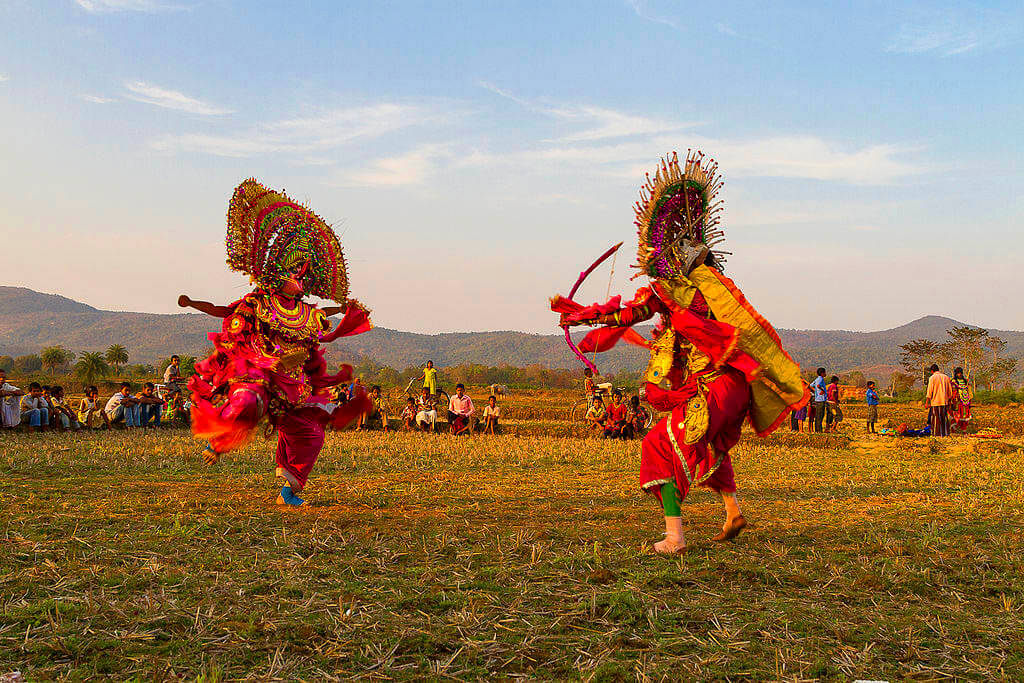
Legendary masked dancers from Purulia district, performing heroic tales from Ramayana and Mahabharata. Distinctive elaborate papier-mâché masks, martial movements, and dhak-dhol rhythms. UNESCO Intangible Heritage. Perfect for grand cultural festivals and international showcases.
UNESCO · Martial
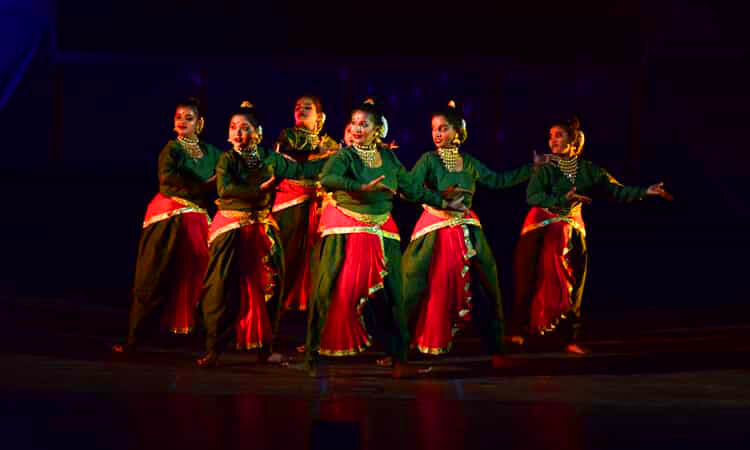
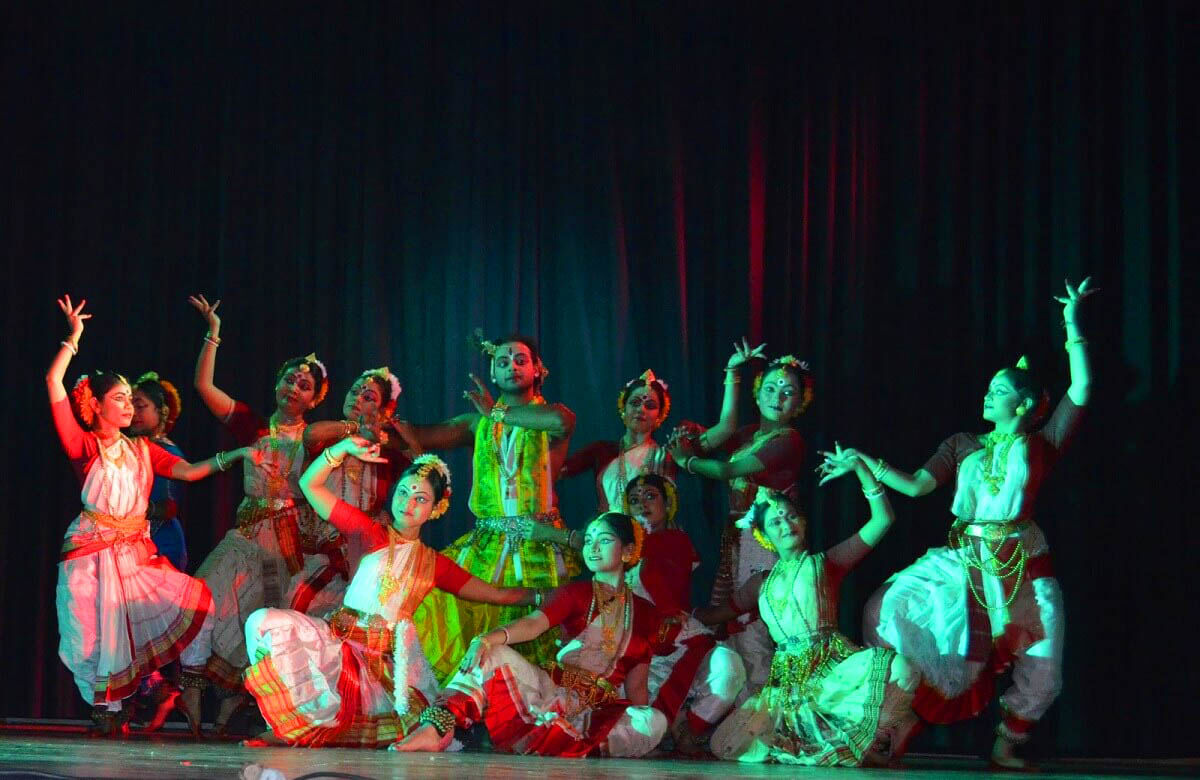
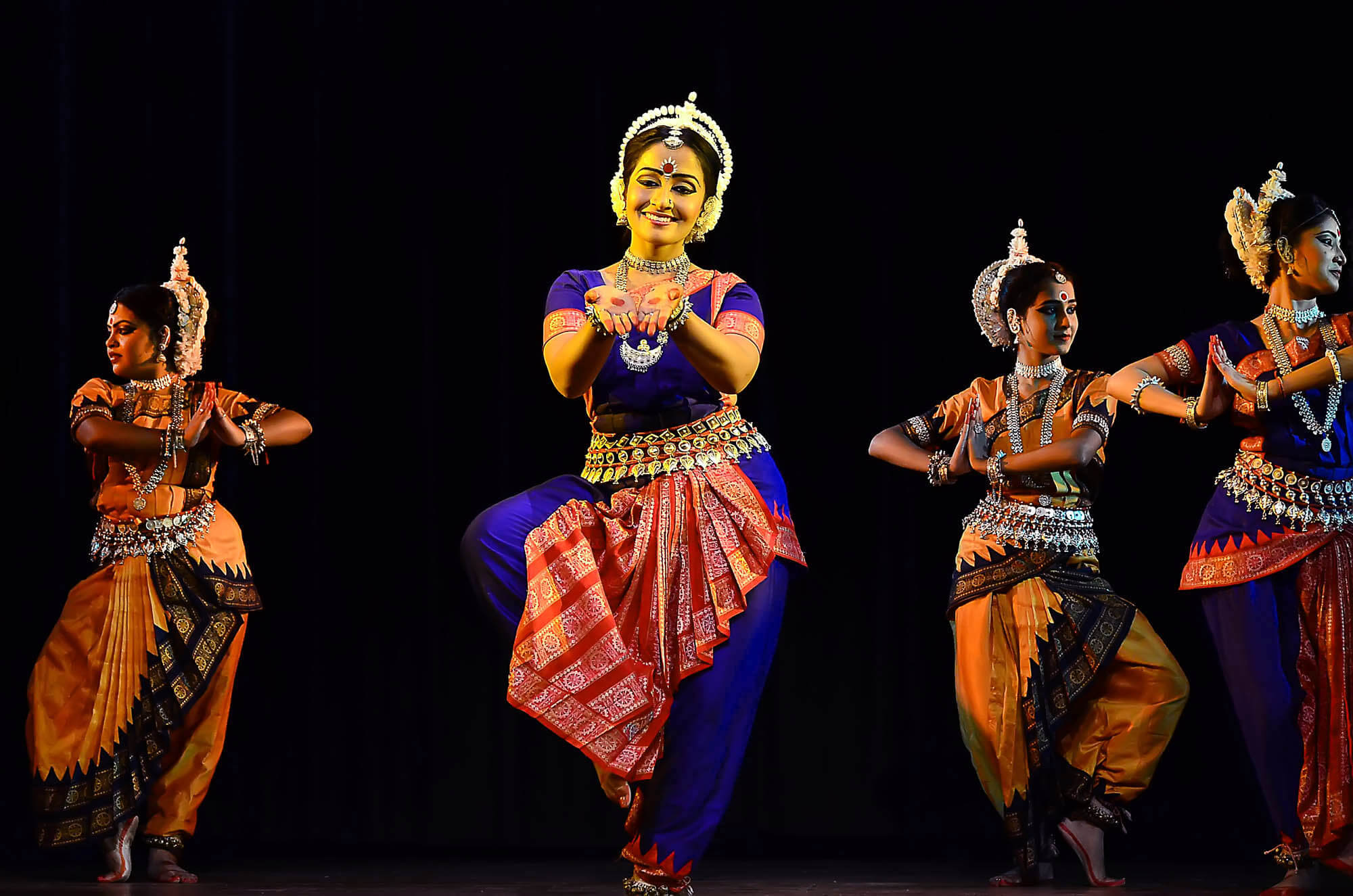
Revived classical dance form of Bengal, based on ancient texts and Vaishnava aesthetics. Graceful mudras, abhinaya, and repertoire depicting Radha-Krishna leela. Accompanied by padavali kirtan and mridangam. Revived by Dr. Mahua Mukherjee.
Classical · Vaishnav
Originally a ritual dance from Malda region, Gambhira blends satire, social commentary and devotion. Performers wear lungi and gamcha, using witty dialogues and rhythmic footwork. Integral to Gambhira festival. Features characters of nana and nati.
Satire · Malda
Vibrant folk theatre form from Malda and Murshidabad. Ensemble includes singer (gayen), dancers, comedians. Fast-paced choreography, mythological storytelling, and audience engagement. Popular in rural fairs and cultural festivals.
Folk Theatre
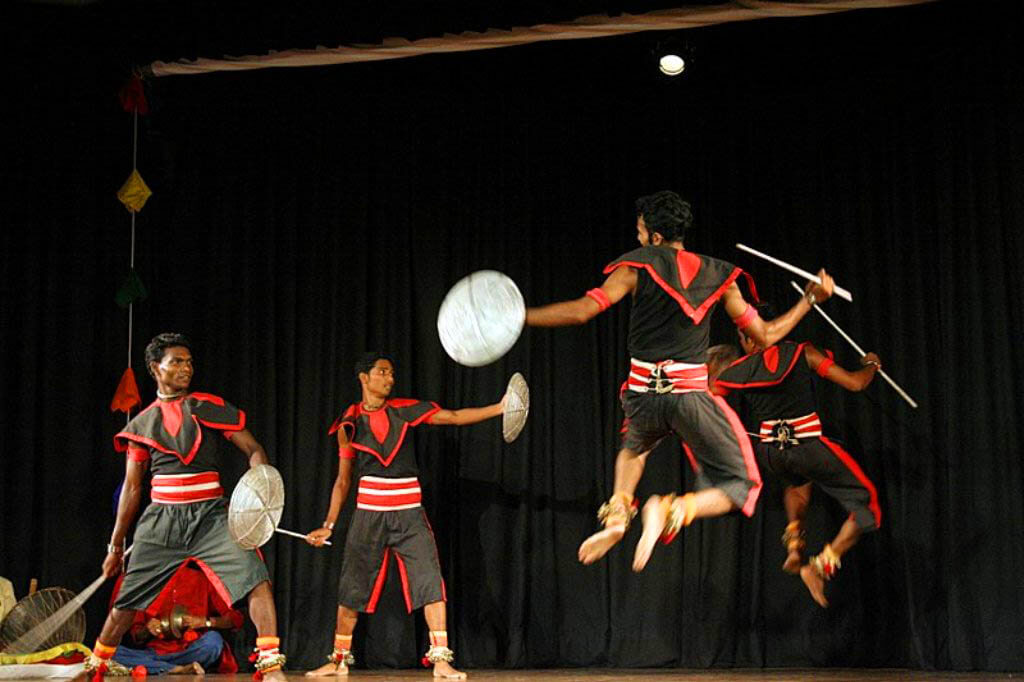
Ancient Bengali warrior dance tradition from Birbhum and Bardhaman. Performers wield swords and shields, showcasing acrobatic combat moves. Accompanied by huge dhamsa and dhol. Invoked during Gajan and ritual festivals.
Martial · Warrior
Ecstatic devotional dance performed during Durga Puja aarti. Dancers hold burning coconut husk (dhunuchi) in hands/mouth, moving rhythmically to dhak. Symbolizes triumph of good. High energy, trance-like, crowd favorite.
Durga Puja · Devotional
Mystic minstrels of Bengal, wearing saffron robes and singing of divine love. Their dance is spontaneous, whirling, free-form. Accompanied by ektara, duggi, and anklet bells. UNESCO heritage. Perfect for intimate soirees and spiritual gatherings.
Mystic · UNESCO
Folk dance of tea garden communities in Dooars and North Bengal. Women perform circular formations with small steps, men accompany with madal and flute. Songs depict nature, love, harvest. Joyous and colorful.
Tea Garden · North Bengal
Vibrant indigenous dance of Santhal communities. Women in colorful saris and silver coins, men with bows. Rhythmic group formations, synchronized steps. Accompanied by tamak, tumdak, banam. Celebrating nature and festivals.
Tribal · Indigenous
Devotees of Shiva perform Gajan with hook-swinging, fire-walking, and trance dancing. Charak Puja involves piercing and ritual sacrifice re-enactment. Raw, powerful, centuries-old folk devotion. Performed in rural Bengal.
Ritual · Shiva
All-women ensembles performing Rabindra Nritya, Gaudiya, and regional folk forms. Graceful, expressive, preserving matriarchal dance lineages. Often featured in women's festivals and cultural shows.
Women's Ensemble
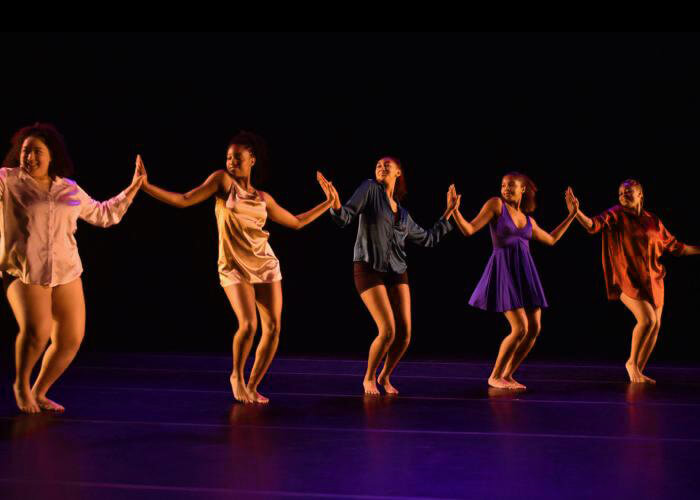
Next-gen Bengal dancers blending Chhau, Baul, and contemporary movement. Dynamic energy, innovative choreography, pan-India festival presence. Ideal for corporate events and youth fests.
Youth · Contemporary
Traditional dancers for temple utsavs — Kalighat, Tarapith, Dakshineswar. Perform ritual dances, kirtan, and arti choreography. Sacred repertoire passed through generations.
Temple · Ritual
Authentic rural performers from Bengal's haats and melas. Lively, rustic, unfiltered folk. Includes Jhumur, Tusu, Bhadu, and regional harvest dances. Brings village Bengal to your stage.
Rural · Mela
Specialized troupes for Bengali weddings — gaye holud, saat paak, biye baran. Dhunuchi naach, Baul performances, and ladies' sangeet choreography. Customizable packages.
Wedding · Celebration
Ecstatic sankirtan ensembles with kartals, mridanga, and dance. Nam sankirtan, padavali kirtan, and nagar sankirtan. Transformative spiritual experience.
Devotional · Kirtan
Professional dancers from reputed institutes like Rabindra Bharati, Dakshinee, Nritya Bharati. Trained in Gaudiya, Manipuri, Kathak, and modern. Polished stage presence.
Academy · Professional
Prize-winning youth troupes from Bengal's inter-college folk competitions. Fresh energy, crisp choreography, authentic costumes. Great for college fests and youth summits.
Campus · Youth
Government-empaneled troupes for tourism festivals, heritage hotels, and international showcases. High production value, curated repertoire. Authorized by West Bengal Tourism.
Tourism · Empaneled
Kolkata-based collectives reviving Bengal folk for urban audiences. Fusion collaborations — Chhau with contemporary, Baul with jazz. Avant-garde yet rooted in tradition.
Urban · Fusion
Origin: Purulia district. Martial folk dance with elaborate papier-mâché masks. Depicts Ramayana and Mahabharata episodes. UNESCO Intangible Heritage. Costume: Dhoti, kurta, elaborate headgear, masks.
Origin: Bengal. Revived classical dance form, ancient roots. Vaishnava themes, Radha-Krishna leela. Intricate footwork, expressive mudras, abhinaya. Accompanied by padavali kirtan.
Origin: Malda. Satirical folk dance with social messages. Two main characters - nana and nati. Witty dialogues, rhythmic footwork, lungi-gamcha costume. Performed during Gambhira festival.
Origin: Malda, Murshidabad. Folk theatre + dance. Comedic and mythological storytelling. High energy group performance. Features gayen (singer) and comedians.
Origin: Birbhum, Bardhaman. Warrior dance with swords and shields. Percussion-heavy. Associated with Gajan. Acrobatic combat movements, dhamsa-dhol accompaniment.
Origin: Bengal. Durga Puja devotional dance. Burning dhunuchi (coconut husk) in hand/mouth. Rhythmic trance movements to dhak beats. Symbolizes triumph of good over evil.
Origin: North Bengal tea gardens. Circular folk dance. Women in vibrant saris, men with madal and flute. Songs depict nature, love, harvest. Joyous and rhythmic.
Origin: Santhal Parganas, West Bengal. Indigenous community dance. Group formations, nature worship. Festivals: Sohrai, Baha. Costume: Colorful saris, silver coins, bows.
Origin: Bengal. Mystic minstrels, spontaneous whirling movement. Syncretic Sufi-Vaishnava philosophy. UNESCO heritage. Ektara, duggi, anklet bells.
Origin: Rural Bengal. Shiva bhaktas perform hook-swinging, fire-walking, trance dance. Last day of Chaitra. Raw, powerful folk devotion.
Origin: Bengal. Ritual performance for Shiva. Piercing, trance dance, hook-swinging. Folk devotion at its rawest. Performed on last day of Chaitra.
Origin: Bengal. Ecstatic Vaishnava singing with dance. Nagar sankirtan, padavali kirtan. Kartals, mridanga. Chaitanya Mahaprabhu tradition.
Origin: Bankura, Purulia, Bardhaman. Harvest dance by young girls. Songs of Tusu goddess. Poush month celebrations. Women in red-bordered white saris.
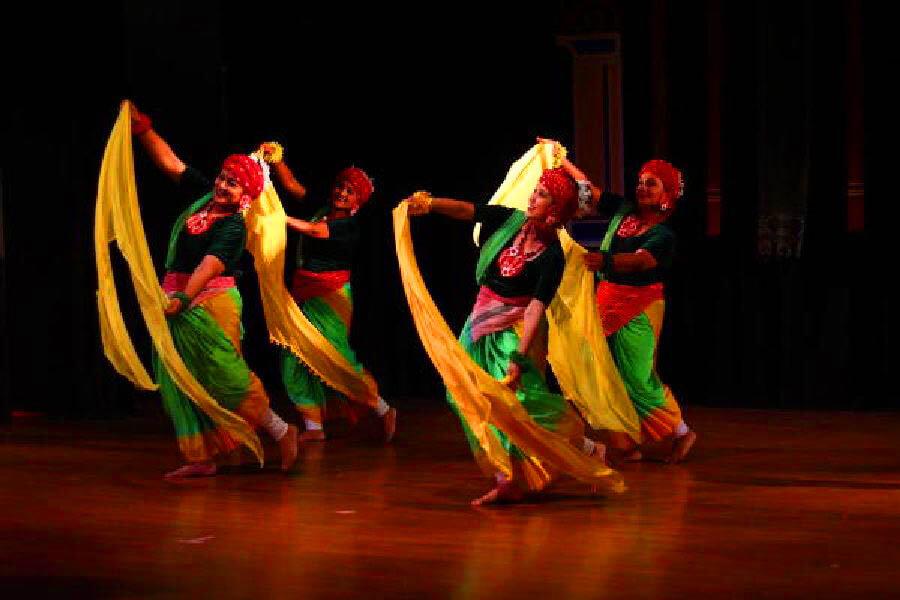
Origin: Murshidabad. Elegant folk dance, often part of Alkap. Women performers, delicate movements, graceful hand gestures.
Origin: Bengal. Spontaneous folk dance in rural gatherings. Clapping, singing, circular movement. Sari-clad grace, festive spirit.
Origin: Bengal. Festive street dances during Rath Yatra, Durga immersion. Dhak, dhol, spontaneous moves. Community celebration.
Origin: Bengal. Nabanna, Poush Parbon celebrations. Farmers dance with sickles, pots of grain. Gratitude and abundance.
Origin: Bengal. Gaye holud, biye baran choreography. Dhunuchi, Baul, ladies' sangeet. Festive, ritual blessings.
Origin: Bengal. Curated folk performances for urban proscenium. Choreographed, stylized, production-ready. Professional troupes.
Origin: Kolkata. Chhau + modern, Baul + jazz, Gambhira + electronica. New age Bengali dance. Urban revival, global appeal.
Plot No.2 1st Floor, street No.7
A Block West Sant Nagar Burari
Landmark: Rani Public School
Delhi-110084
102/7, Silver County Rd, Kudlu
Bengaluru, Karnataka 560068
Flat No 1, 2nd Floor, Plot Number - 65
Opposite RPS Institute of Technology
Kothuwwan Road, Danapur
Patna, 801503 - Bihar
Purulia Chhau (UNESCO Intangible Heritage), Gaudiya Nritya (classical), Gambhira, Alkap, Raibeshe, Dhunuchi Naach, Baul, Jhumur, and Santhal tribal dance are the most famous dance forms of West Bengal. Each represents unique cultural heritage.
Purulia Chhau is a martial folk dance from Purulia district, featuring elaborate papier-mâché masks, weaponry, and episodes from Ramayana and Mahabharata. Recognized by UNESCO as Intangible Cultural Heritage. Performed during Sun festival.
Absolutely. BookMyDance books West Bengal troupes for events across India — Delhi, Mumbai, Bangalore, Chennai, Hyderabad, Pune, Kolkata and beyond. We handle logistics, travel, accommodation and curation. 100+ successful events annually.
Yes, we have empaneled authentic Purulia Chhau troupes with traditional masks, live dhak-dhol musicians, and experienced choreographers. Available for corporate events, government festivals, destination weddings, and international cultural exchanges.
Dhak (large drum), dhol, dhamsa, kansar (bell metal gong), ektara (one-string instrument), dotara, kartals, mridanga, flute, and madal. Each dance form has distinctive rhythmic accompaniment.