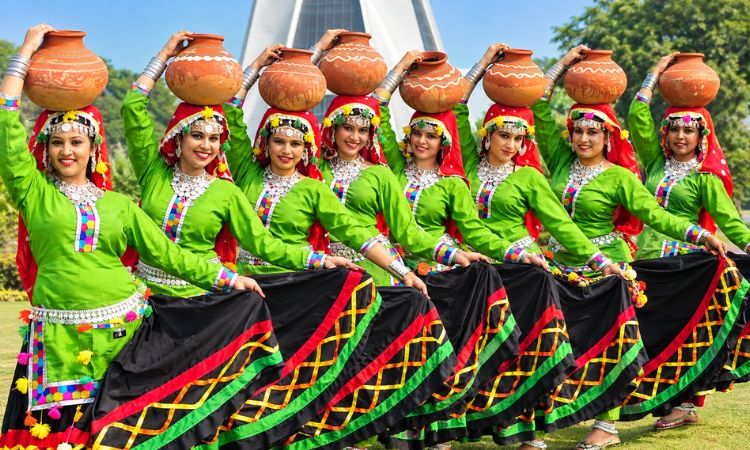
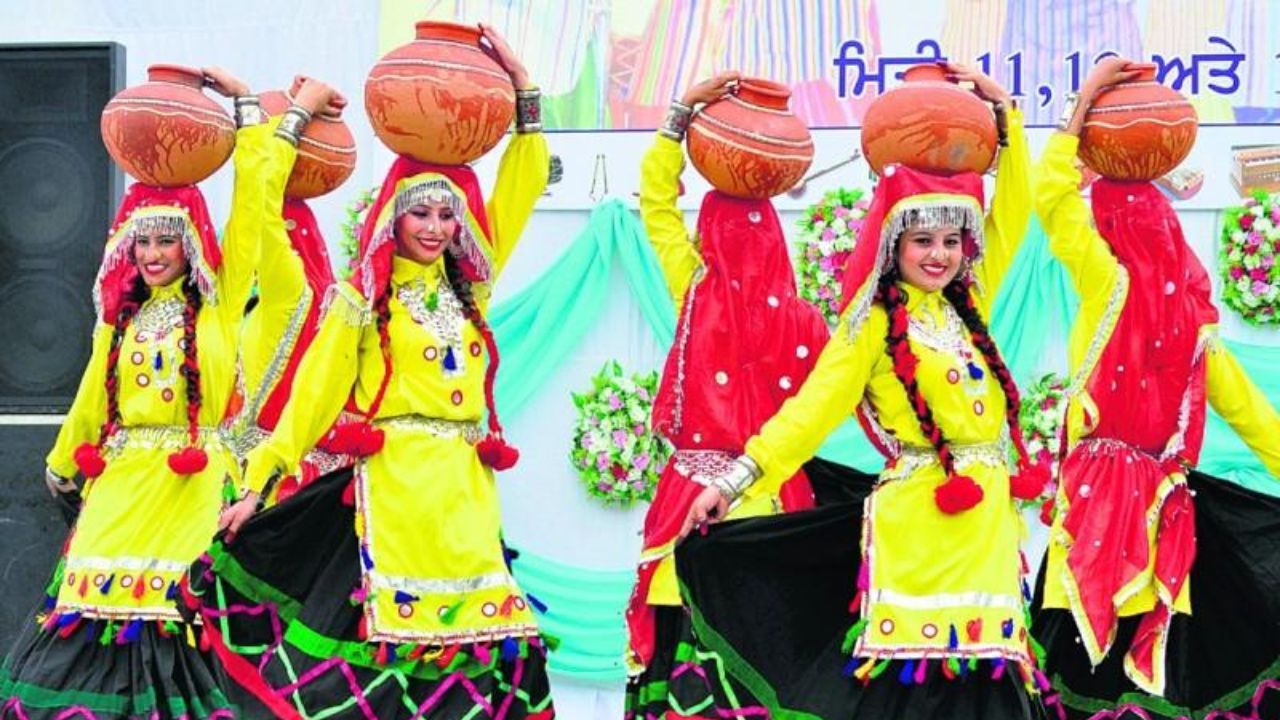
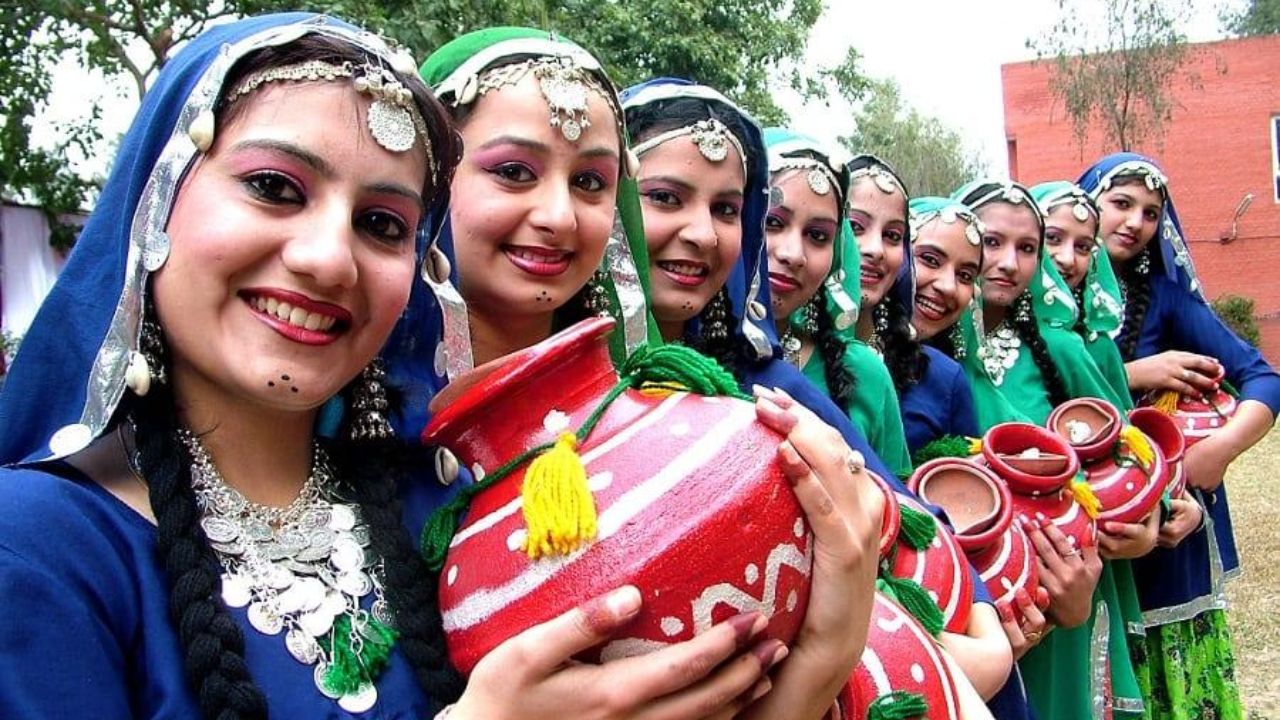
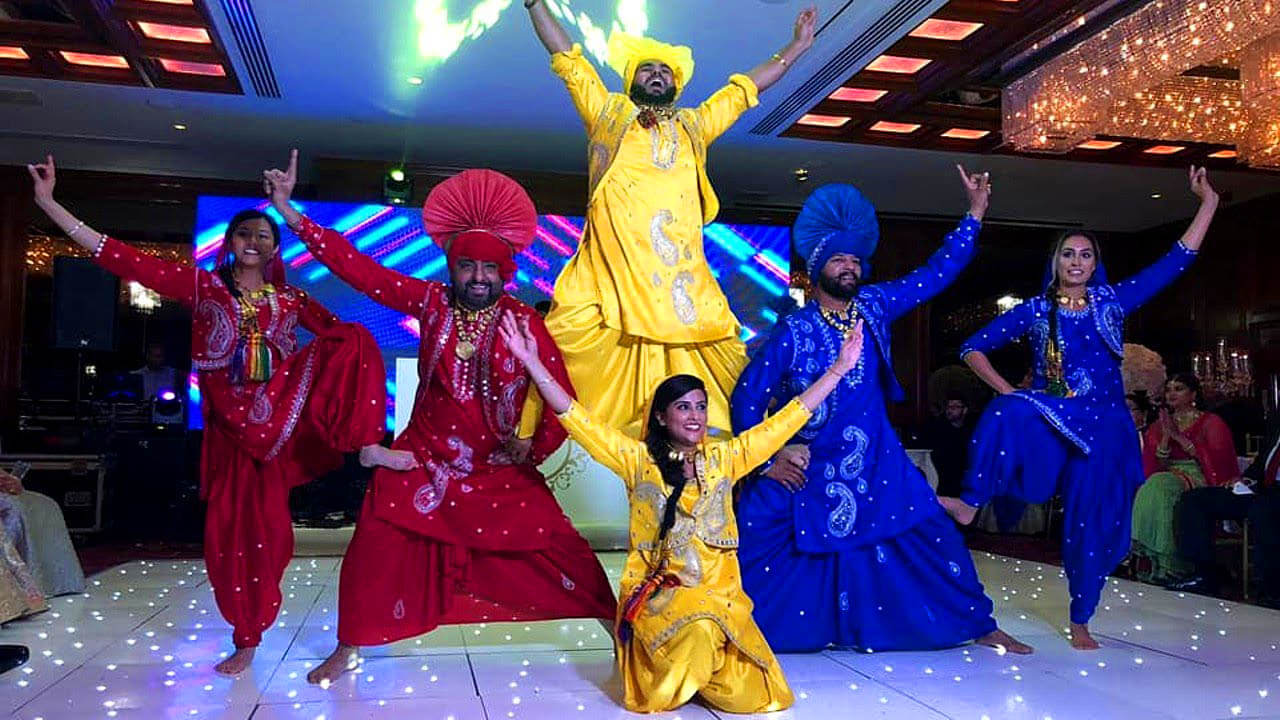
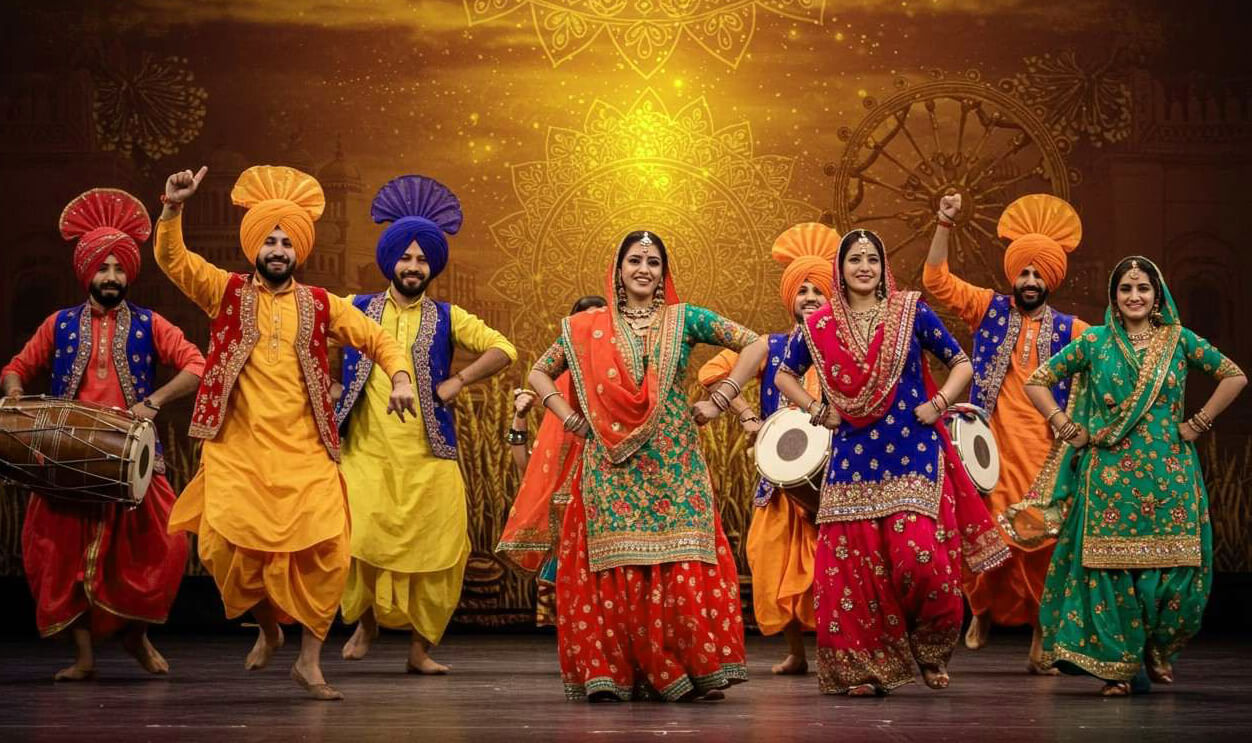
Reliable accounts place the Sammi dance of Punjab in the Sandal Bar, the dry grassland belt
of undivided Punjab, with the dance also recorded in other Bar areas and in the Pothohar
region. Because that belt now lies largely in Pakistan, the Sammi dance tradition is part of
the shared Punjabi heritage that runs across the India–Pakistan border rather than belonging
to one side of it.
The dance is named after Sammi, a heroine of Punjabi folk legend remembered as a young woman
deeply in love, who sang and danced for the sake of that love. Her story survives mainly in
song rather than in written history, and the details change from one telling to another. In
Indian Punjab, published sources document the dance among communities including the
Baazigar, Rai, Lobana and Sansi, and note that it has survived more strongly within these
communities than as a widely staged form.
Scholarship has also treated Sammi as a case study in how Punjabi women's dances were
reshaped during the twentieth century. Gibb Schreffler's 2012 study in
Sikh Formations, "Desperately Seeking Sammi: Re-inventing Women's Dance in Punjab",
examines how the dance and its song were re-imagined and re-staged as Punjabi folk culture
was documented, taught and performed on modern stages. That framing matters for readers
today: what you see in a competition or a cultural show is usually a staged adaptation, not
a snapshot of the community form.
What is not established
We have not found reliable evidence for an exact origin date, a single founder, a
particular village, or one historical event as the definitive origin of Sammi — so this
page does not state one. Where sources differ or are silent, we say so rather than filling
the gap with a confident story. Claims of a specific date, dynasty or festival link for
Sammi should be treated cautiously unless a credible source is cited.