About Bhil Dance
History, origin, costumes, instruments, and cultural meaning
Bhil Dance is a vibrant traditional performance associated with the Bhil community, widely linked with Rajasthan, Gujarat, Madhya Pradesh, and nearby regions. In cultural programming, a Bhil Tribal Dance performance is valued not only for its colorful stage presence but also for its connection to community identity, rhythm, celebration, storytelling, and collective movement. Audiences often respond to the immediacy of the format: the dance feels powerful, grounded, and festive at the same time.
When organizers search for Bhil Dance Performance India, they are usually looking for more than a dance act. They want a presentation that carries the atmosphere of a living folk tradition. A well-presented Traditional Bhil Dance show can support a heritage theme, strengthen the cultural credibility of a public event, create a memorable opening sequence, or add regional richness to a wedding celebration. That is why Bhil Dance for Cultural Events continues to draw attention from schools, tourism curators, government departments, brands, and destination planners.
The Bhil community is often described as one of India’s oldest indigenous tribal groups, and the performance vocabulary associated with Bhil Dance reflects shared celebration, community participation, ceremonial energy, and themes inspired by everyday life. In stage adaptation, this translates into rhythmic group patterns, bright visual contrast, live or track-based folk accompaniment, and movement phrases that feel collective rather than individualistic. This quality makes Bhil Folk Dance especially effective in large venues because the ensemble energy reads clearly from a distance.
The origin story of Bhil Dance is closely tied to the social and seasonal life of the community. Festival gatherings, harvest moments, marriages, local celebrations, and community rituals have long created the environment in which dance, song, and percussion come together. As a result, a Rajasthan Bhil Dance Performance often feels celebratory from the first beat. There is an emphasis on movement in groups, the use of repeating rhythmic patterns, and an atmosphere of open participation that helps audiences connect immediately.
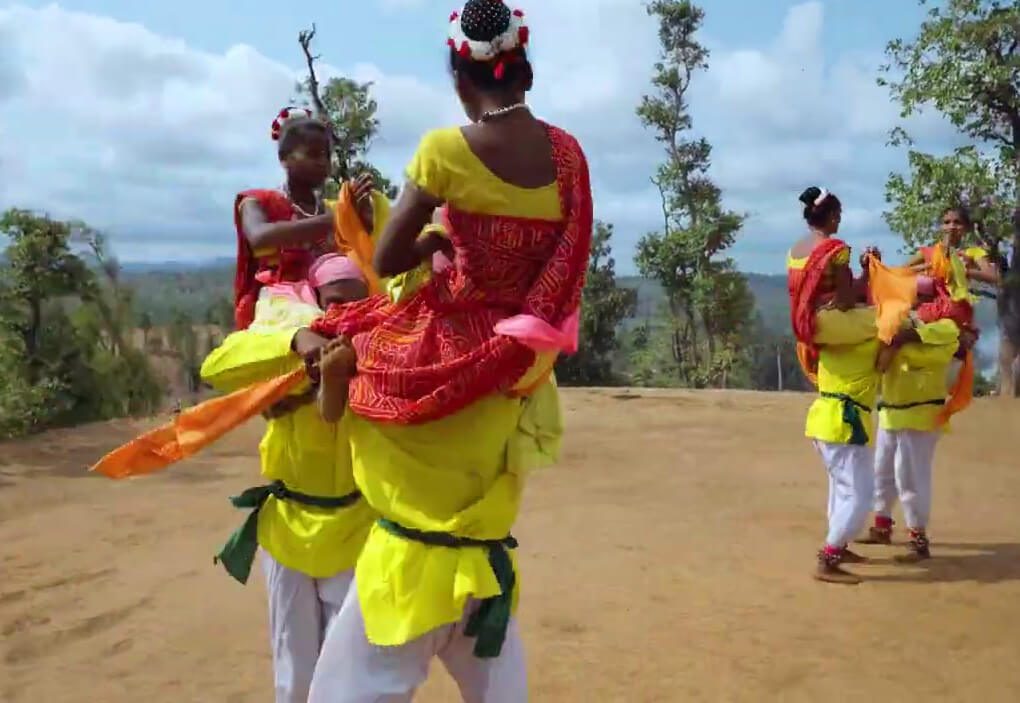
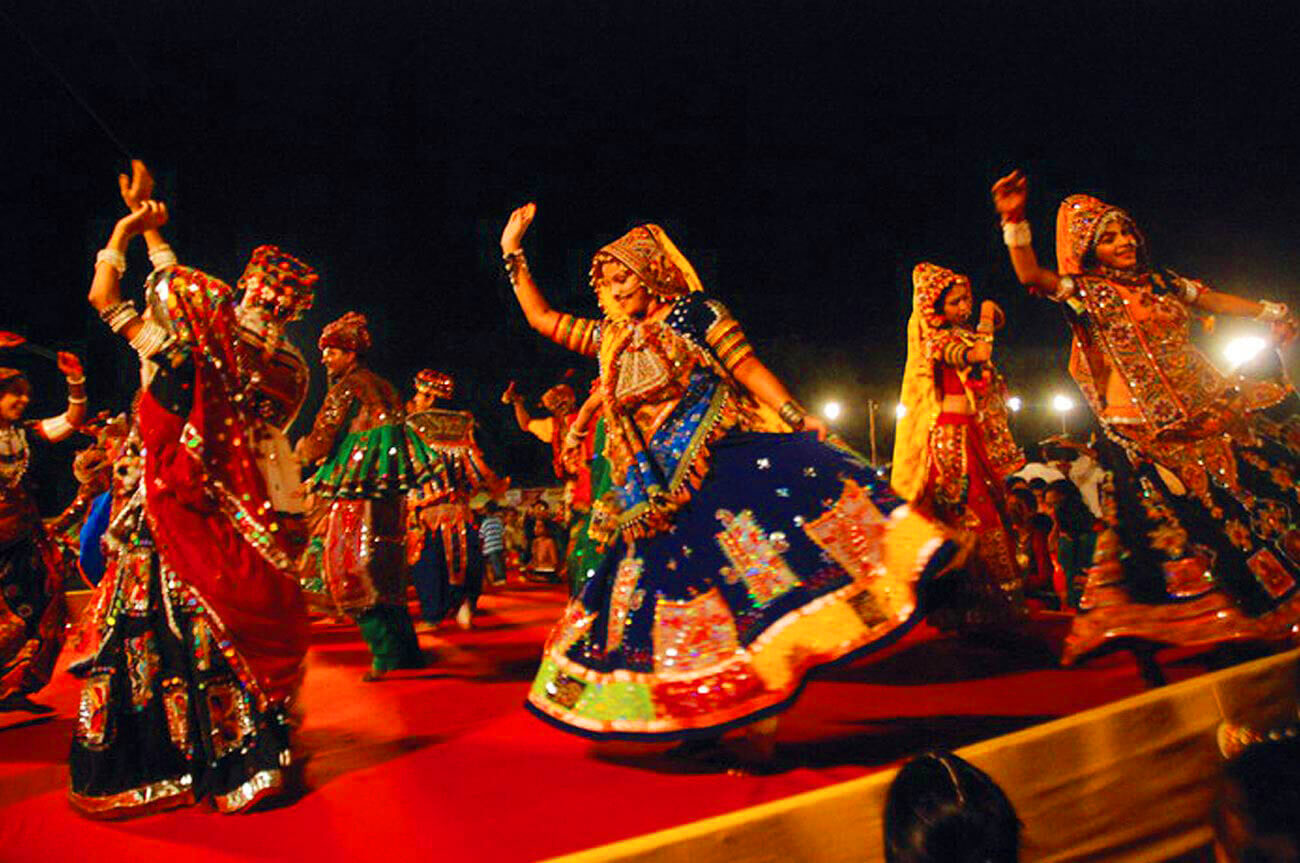
Traditional costumes are a major part of the visual appeal. Performers typically appear in vibrant folk attire with textiles, jewelry, head adornments, and accessories that echo the energy of tribal festive dress. For event planners, these costumes matter because they improve stage photography, strengthen theme execution, and help viewers immediately identify the performance as a rooted Indian Tribal Dance Show rather than a generic folk item. For destination weddings and tourism evenings, costume authenticity often becomes one of the most memorable visual elements.
Musical instruments associated with Bhil Dance presentations often include dhol, thali, manjira, flute, and other rhythm-led folk accompaniment. The beat structure is one of the reasons Bhil Dance remains effective for live audiences. The music gives the performance momentum, while the ensemble format creates scale. Whether arranged as a ceremonial welcome, a featured cultural act, or a multi-entry production, Bhil Dance retains its impact when rhythm, movement, and costume are balanced properly.
'/><circle cx='140' cy='130' r='60' fill='rgba(255,255,255,.15)'/><circle cx='520' cy='340' r='80' fill='rgba(255,255,255,.12)'/><text x='50%' y='46%' dominant-baseline='middle' text-anchor='middle' font-size='34' fill='white' font-family='Arial'>Bhil Dance Gallery Placeholder</text><text x='50%' y='58%' dominant-baseline='middle' text-anchor='middle' font-size='20' fill='white' font-family='Arial'>School Function Performance</text></svg>)


